Imaginative Kids Storybook PDF with Gentle Lessons
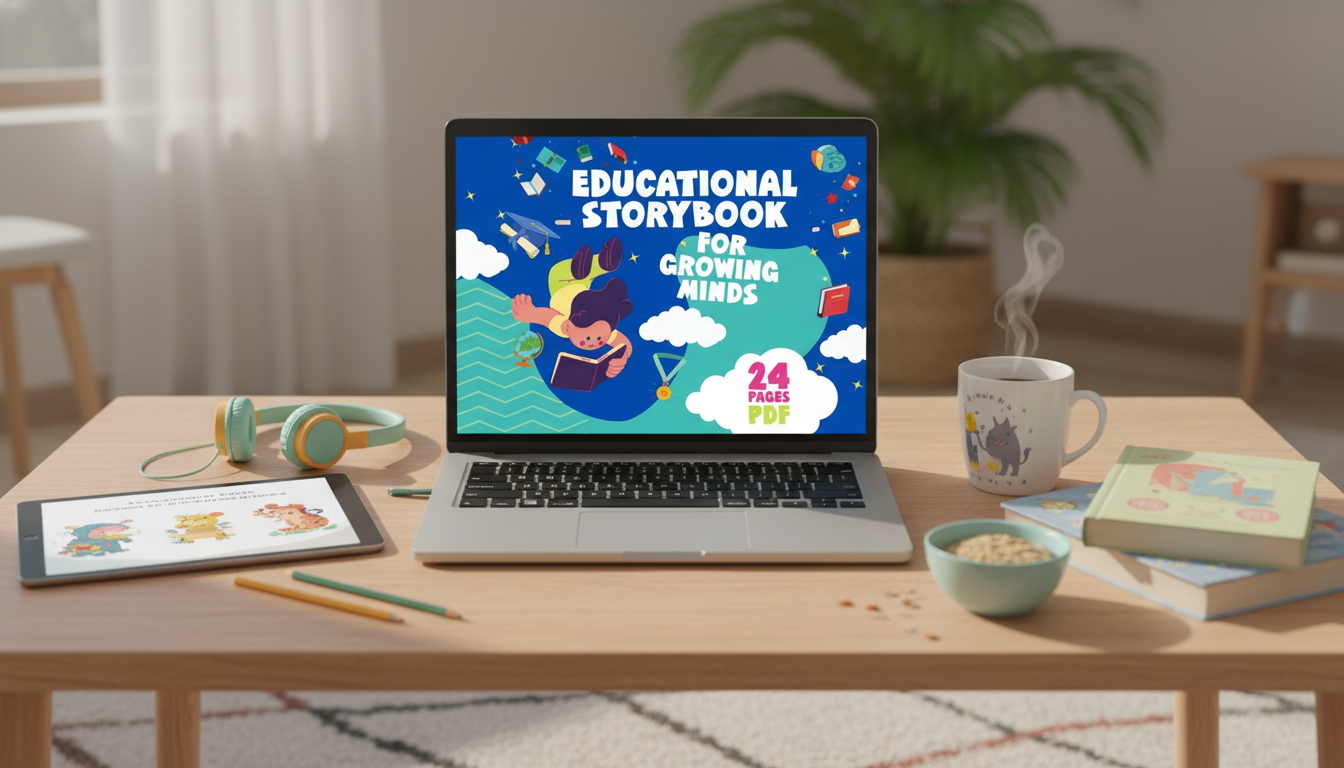
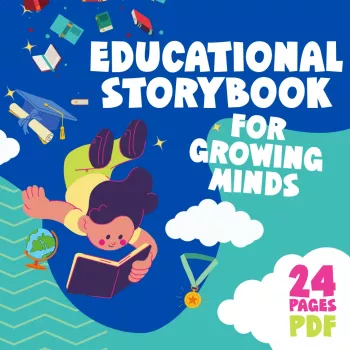
Educational Storybook for Growing Minds: Imaginative Tales That Teach
A well-chosen storybook can do more than entertain—it can build vocabulary, strengthen listening skills, and gently introduce values like kindness, perseverance, and curiosity. This digital story collection is designed for kids who love imaginative adventures, while giving parents and caregivers an easy, screen-friendly way to add meaningful reading time at home, on trips, or during quiet moments.
What This Digital Story Collection Includes
- A kid-friendly collection of imaginative stories that pair engaging plots with clear takeaways (helpful for both independent reading and read-aloud sessions).
- A convenient PDF format that can be saved, printed for personal use, or read on common devices (tablet, laptop, eReader apps that support PDF).
- A simple way to create consistent reading routines—bedtime stories, morning calm-down reading, or a quick story during transitions.
- Stories that can prompt short conversations afterward, turning reading time into a gentle learning moment without feeling like homework.
Why Imaginative Stories Help Kids Learn
When kids follow a character through a challenge—whether it’s a silly problem in a magical place or a brave decision in a new world—they’re practicing real skills they’ll use in school and life. Reading together also builds the “serve and return” back-and-forth that supports language and connection, especially when a child reacts and an adult responds with curiosity and warmth (learn more from Harvard’s Center on the Developing Child: Serve and Return).
- Comprehension practice: following characters, settings, and problems helps children learn sequencing and cause-and-effect.
- Language growth: repeated exposure to new words in context supports vocabulary and sentence structure.
- Social-emotional learning: characters’ choices and consequences offer a safe way to explore emotions, empathy, and problem-solving.
- Attention and memory: listening to a full story and recalling details builds focus and working memory over time.
- Confidence building: finishing a story (or a chapter/session) can motivate kids to read more and try harder texts.
For families who want extra support building strong literacy habits, Reading Rockets shares practical, research-informed tips for keeping read-alouds engaging: Reading Aloud to Children. The American Academy of Pediatrics also highlights the value of shared reading as part of healthy development: Literacy Promotion (Reach Out and Read).
Best Ways to Use the Stories at Home or in a Classroom Corner
- Read-aloud routine (10–15 minutes): pause once or twice to ask simple questions like “What do you think happens next?” or “How did that make the character feel?”
- Independent reading block: assign one story, then ask for a one-sentence summary to build concise writing and recall.
- Family discussion prompt: connect the story’s lesson to real life with a gentle follow-up, such as “When was a time you tried again after a mistake?”
- Calm-down tool: choose a story during high-energy moments to transition into quiet time and emotional regulation.
- Printable activity add-on: after reading, invite kids to draw a favorite scene, a new ending, or a “lesson poster” for the fridge.
Choosing a Story for the Moment: Quick Guide
- For bedtime: pick a soothing, reassuring story with a clear resolution to support winding down.
- For confidence: choose stories where characters practice, make mistakes, and improve through effort.
- For kindness and friendship: select plots that show sharing, listening, apologizing, and repairing relationships.
- For curiosity: look for stories that encourage questions, exploration, and creative thinking.
- For short attention spans: choose shorter stories, break longer ones into two sittings, and recap at the start of session two.
Storytime Match-Up: Goal, When to Read, and a Simple Follow-Up
| Goal | Great time to read | What to ask after | Optional quick activity |
|---|---|---|---|
| Build calm and routine | Bedtime or quiet time | “What was the problem, and how was it solved?” | Draw the coziest scene |
| Strengthen confidence | Before school or after practice | “What did the character try again?” | Write 1 encouraging sentence for the character |
| Practice empathy | After a conflict or big feelings | “How did the other character feel?” | Act out a kinder choice |
| Boost vocabulary | Daily reading block | “Which new word did you hear?” | Make a 3-word “new words” list |
| Encourage creativity | Weekend family time | “What would you do differently?” | Create an alternate ending |
Digital Download Tips: Reading, Printing, and Device-Friendly Setup
Who This Storybook Works Well For
A Simple Way to Turn One Story into a Learning Moment
Recommended Downloads (In Stock)
- Educational Storybook for Growing Minds (digital download) — a printable-and-device-friendly PDF collection of imaginative stories with gentle lessons.
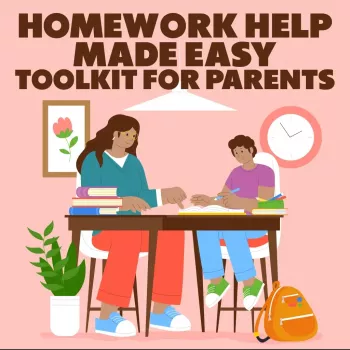
- Homework Help Made Easy Toolkit for Parents — a printable guide for study habits and independent learning that pairs nicely with a steady reading routine.
FAQ
Is this story collection suitable for read-aloud and independent reading?
Yes. Read-aloud works well for younger kids and makes it easy to pause for quick questions, while independent readers can move at their own pace. Trying one story together first can help you gauge comfort level and adjust support.
What do I need to access the digital download?
You’ll need a device that can open PDFs (phone, tablet, or computer) and a PDF reader app. Printing is optional for personal use, and saving a backup copy helps keep it accessible across devices.
How can parents use the stories to reinforce the lesson without making it feel like a lecture?
Keep it light: ask one gentle question, do a quick beginning-middle-end recap, and make one simple real-life connection. Let the child’s interpretation lead, and stop while the conversation still feels easy.










Leave a comment