Global Travel Etiquette eBook: Greetings, Dining & More
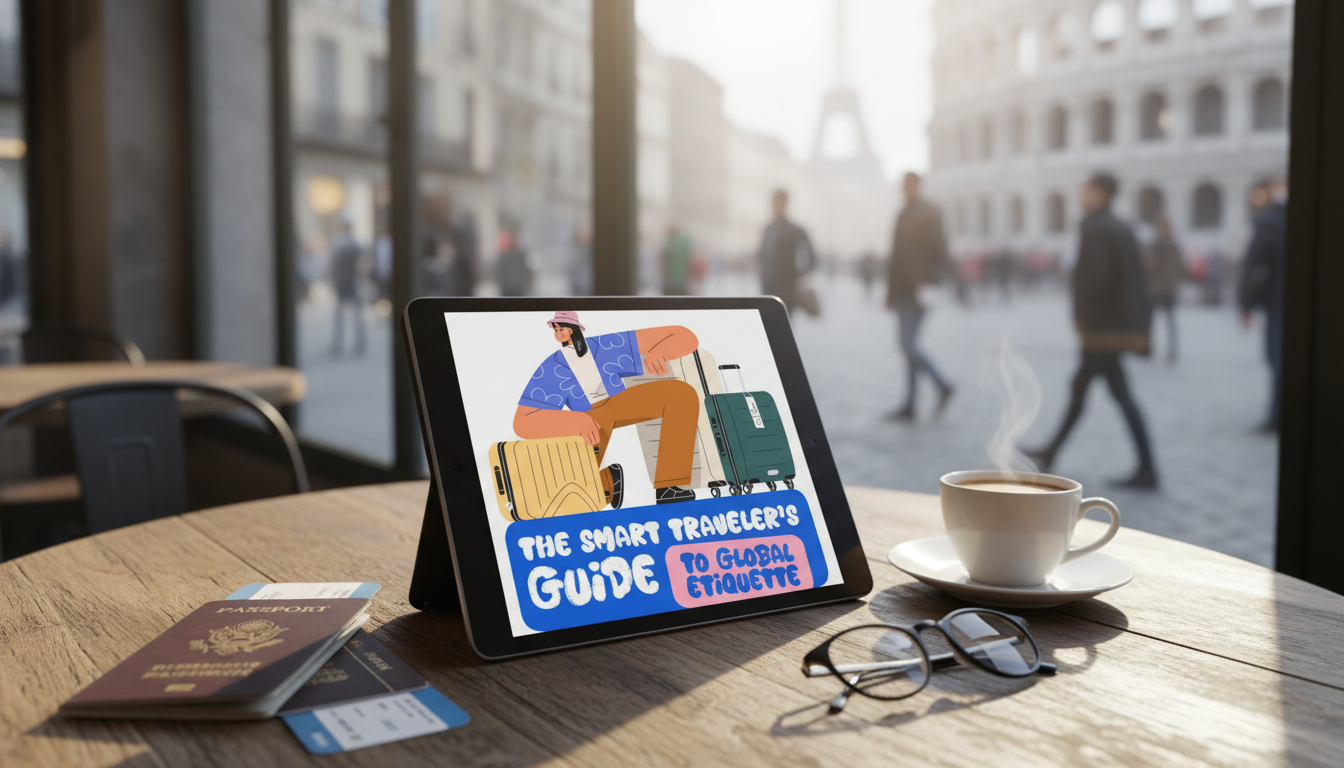
The Smart Traveler’s Guide to Global Etiquette (Digital Download): Cultural Tips, Travel Etiquette, and International Manners
Good manners travel well, but the rules change from place to place. This digital download eBook helps travelers avoid awkward moments, show respect in everyday interactions, and feel more confident navigating greetings, dining, dress norms, and public behavior across cultures—whether traveling for vacation, work, study, or family visits. For more guidance, see [PDF] The New Public Diplomacy: Soft Power in International Relations.
What “global etiquette” really means while traveling
Global etiquette isn’t about memorizing a rigid list of rules. It’s a practical tool for smoother day-to-day interactions—helping build trust, reduce misunderstandings, and communicate respect even when language skills are limited. For further reading, see Opinion Paper: “So what if ChatGPT wrote it?” Multidisciplinary ….
What feels like “common sense” at home may signal something else abroad. Eye contact can read as confidence in one culture and confrontation in another. A friendly speaking volume might come across as aggressive. Even personal space preferences vary widely, especially in crowds, queues, and public transit.
A helpful mindset is to think in patterns rather than stereotypes. Use cultural guidance as a starting point, then observe, ask politely, and follow local cues without assuming every individual fits a script. And when customs conflict with safety or the law, prioritize boundaries and security while still choosing the most respectful option available.
Common situations where travelers accidentally offend (and how to avoid it)
Greetings and introductions
Handshakes, bows, cheek kisses, and verbal greetings all have different “rules” around timing, eye contact, and touch. When in doubt, let the local person initiate and mirror their level of formality. A calm smile and a small nod are usually safe while you read the room.
Names and titles
In many places, formal address signals respect—especially with elders, clients, professors, or officials. If pronunciation is uncertain, ask once with care (“Could you help me say your name correctly?”) and then make a best effort. It often matters more that you tried than that you were perfect.
Gestures and body language
Pointing, beckoning, thumbs-up, and the “OK” sign can be harmless in one destination and rude in another. A good default is to gesture with an open hand instead of a finger, keep motions small, and avoid “calling” someone over with a curled index finger unless you’ve seen locals do it.
Personal space and touch
Friendly contact—hugs, shoulder pats, even standing close—may be normal at home and uncomfortable elsewhere. In conservative settings, public affection can draw negative attention. When unsure, keep more space, avoid touching, and match the tone of the environment (especially in taxis, shops, and markets).
Shoes, feet, and sitting
Entering homes, some clinics, and many sacred spaces may require removing shoes. Watch for shoe racks, a raised entry step, or locals in socks. Also note that showing the soles of your feet (crossing legs in certain ways or propping feet up) can be insulting in parts of the world.
Dining etiquette across cultures: small details that matter
Meals are where etiquette differences show up fast—and where a little preparation pays off. The key is pacing yourself, watching the host, and avoiding assumptions about tipping or “who pays.”
Seating and starting
In some places you wait to be seated; in others, you choose any table. At group meals, the host or eldest person may begin first. If you’re unsure, pause before eating and follow the first clear cue.
Utensils and hands
Tipping, service charges, and negotiation
Toasts and drinking norms
Paying the bill
| Situation | What to do | What to avoid |
|---|---|---|
| First meeting | Let the other person lead the greeting style; use a polite, neutral smile | Overly familiar touch or loud greetings before reading the room |
| Entering a home | Look for a shoe rack or cue; offer a small thanks | Walking in with shoes on if locals remove them |
| Restaurant meal | Follow the host’s pace; watch how locals signal “finished” | Assuming tipping rules are the same everywhere |
| Public places | Match local volume and spacing; keep phone use discreet | Blocking pathways, cutting lines, or filming people without permission |
| Photos | Ask before photographing people, sacred sites, or checkpoints | Taking close-up photos of strangers or restricted areas |
Dress, religion, and sacred spaces: respectful choices that prevent conflict
Communication that travels well: tone, conflict, and consent
Using the digital download eBook as a trip companion
The Smart Traveler’s Guide to Global Etiquette: what’s included and who it’s for
If you like practical, actionable guidance you can reference quickly, start here: The Smart Traveler’s Guide to Global Etiquette (Digital Download eBook).
More helpful downloads from the shop
- Homework Help Made Easy Toolkit for Parents – Printable Guide for Creating Study Habits, Homework Strategies & Independent Learning
- Afro Styling Comb for Natural Curly Hair & Real Hair Wigs
- Straight Hair V-Comb Styling Brush for Smooth, Sleek Results
FAQ
Is this eBook helpful for both business trips and vacations?
Yes. It covers everyday social situations and common professional moments, including greetings, meeting etiquette, dining norms, dress expectations, and respectful public behavior.
How can etiquette guidance be used without stereotyping people?
Use it as a starting point, then observe local cues, ask polite questions, and stay flexible. Treat etiquette tips as “likely patterns,” not hard rules that define every individual.
What are the most common etiquette mistakes travelers make?
Frequent issues include mismatched greeting styles, tipping incorrectly, wearing shoes inside homes or sacred spaces, taking photos without permission, and misreading volume or personal-space expectations.











Leave a comment