Pet Travel Checklist: Pack Smart for Dogs & Cats
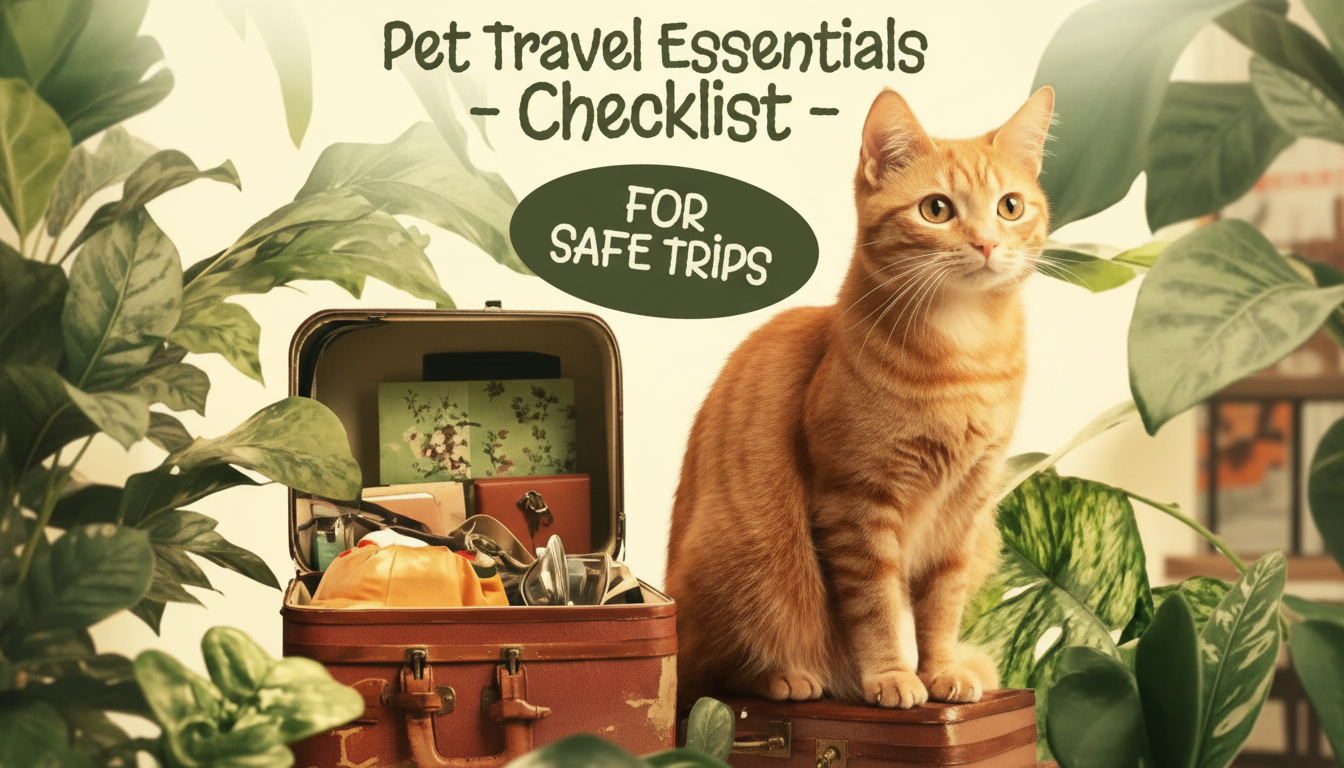
Pet Travel Essentials Checklist for Safe Trips (Dogs & Cats)
Safe pet travel comes down to three things: preparation, the right gear, and a plan for the unexpected. The checklist below covers practical packing for road trips or vacations with dogs and cats, plus reminders for health paperwork, comfort items, and en-route safety so travel days stay calm and predictable.
Before You Go: Quick Trip Planning
- Confirm your destination is truly pet-friendly. Check rules on breed/size, number of pets allowed, pet fees, where pets can go on-property, and whether pets can be left unattended in the room.
- Plan your stops. For dogs, map rest breaks every 2–3 hours for water and potty. For cats, many do best with fewer changes—plan quiet check-ins while they remain secured in the carrier.
- Pack for weather swings. Look at temperatures along the route and at your destination, then add cooling options for summer and warmth layers for winter.
- Save an emergency vet now. Find a nearby emergency clinic at your destination and save the address, phone number, and driving directions before you leave.
- Do a short practice ride. A few days ahead, take a brief drive using the carrier/harness setup to reduce surprise and stress on departure day.
Health, ID, and Paperwork Essentials
- Schedule a vet check when it’s wise. If your pet is a senior, has ongoing health issues, or hasn’t traveled recently, ask your vet about motion sickness and anxiety options.
- Bring required documentation. Pack proof of rabies vaccination and any needed health certificates, especially for flights, border crossings, or specific lodging requirements.
- Carry a recent photo. Bring a clear face shot and full-body photo for identification if you’re separated.
- Update microchip and tags. Confirm your microchip details are current and add a temporary travel tag with a phone number you’ll actually answer during the trip.
- List medications and doses. Keep a written list of meds, dosing schedule, and your vet’s contact info in case you need a refill away from home.
For official guidance and destination-specific rules, review resources from the American Veterinary Medical Association (AVMA), the CDC, and USDA APHIS.
Packing Checklist for Dogs & Cats
- Pack routine items first. Food, water, meds, and litter/waste supplies matter more than “nice-to-haves.” Familiar routine is a major stress reducer.
- Add a buffer. Pack at least two extra days of food, including any prescription diet (availability varies by location).
- Create a grab-and-go pouch. Keep meds, documents, and leash/harness together in a pouch that stays with you (not buried in the trunk).
- Bring comfort scents. Familiar bedding or a worn t-shirt can help your pet settle in a new place.
- Cats need a secure carrier. A sturdy carrier is non-negotiable; add a light blanket to reduce visual stress in busy environments.
Printable Packing List (Copy into Notes or Print)
| Category | Essentials to Pack | Notes |
|---|---|---|
| Documents & ID | Rabies/vaccine record, health certificate (if needed), microchip info, recent photo | Keep in a waterproof folder |
| Food & Water | Food (extra 2 days), collapsible bowls, bottled water (if sensitive stomach) | Avoid sudden diet changes while traveling |
| Safety & Restraint | Crash-tested carrier or travel crate, seat-belt harness, leash, backup leash | Never travel with a loose pet in the car |
| Comfort | Bed/blanket, favorite toy, calming wrap (if used), treats | Familiar scents help in new spaces |
| Hygiene | Poop bags, paper towels, enzymatic cleaner, grooming wipes | Pack a small trash bag roll |
| Cats: Litter Setup | Portable litter box, litter, scoop, liner bags | Consider low-dust litter for hotel rooms |
| Health & First Aid | Meds, tick/flea prevention, basic pet first-aid kit, nail clippers | Include a copy of prescriptions |
| Feeding Routine Tools | Measuring cup, slow feeder (if used), puzzle feeder | Helps prevent gulping during travel |
| Weather Gear | Cooling mat/vest, paw balm, rain jacket, extra towel | Adjust for season and terrain |
Car Travel Safety Rules That Prevent Emergencies
Air Travel and Long-Distance Tips (If Applicable)
Arrival Setup: Make the First Hour Calm
Printable Planner for Smooth Travel Days
Helpful Printables to Keep Travel Organized
If you want everything in one place, use a ready-to-print checklist and timeline that can live in your glove box or phone notes: Printable Pet Travel Essentials Checklist and Planner.
For families traveling with kids, a structured activity and study routine can make long drives and downtime smoother: Homework Help Made Easy Toolkit for Parents – Printable Guide for Creating Study Habits, Homework Strategies & Independent Learning.
FAQ
What are the most important items to pack first when traveling with a pet?
Start with safety restraint (carrier/harness), food and water supplies, medications, waste/litter supplies, and ID/documents. Those cover safety, health, and basic needs even if other luggage is delayed or forgotten.
How often should you stop on a road trip with a dog or cat?
For dogs, plan breaks about every 2–3 hours for water and potty. Many cats do better with fewer changes; offer water and check comfort during stops while keeping them secure in the carrier unless they are safely harness-trained.
Is it safe to let a pet ride unrestrained in the car?
No. An unrestrained pet can be injured in sudden stops and can distract the driver. Use a secured carrier/crate or a crash-tested harness attached to the seat belt.











Leave a comment