Safe Space Mapping: Steps to Build Supportive Spaces
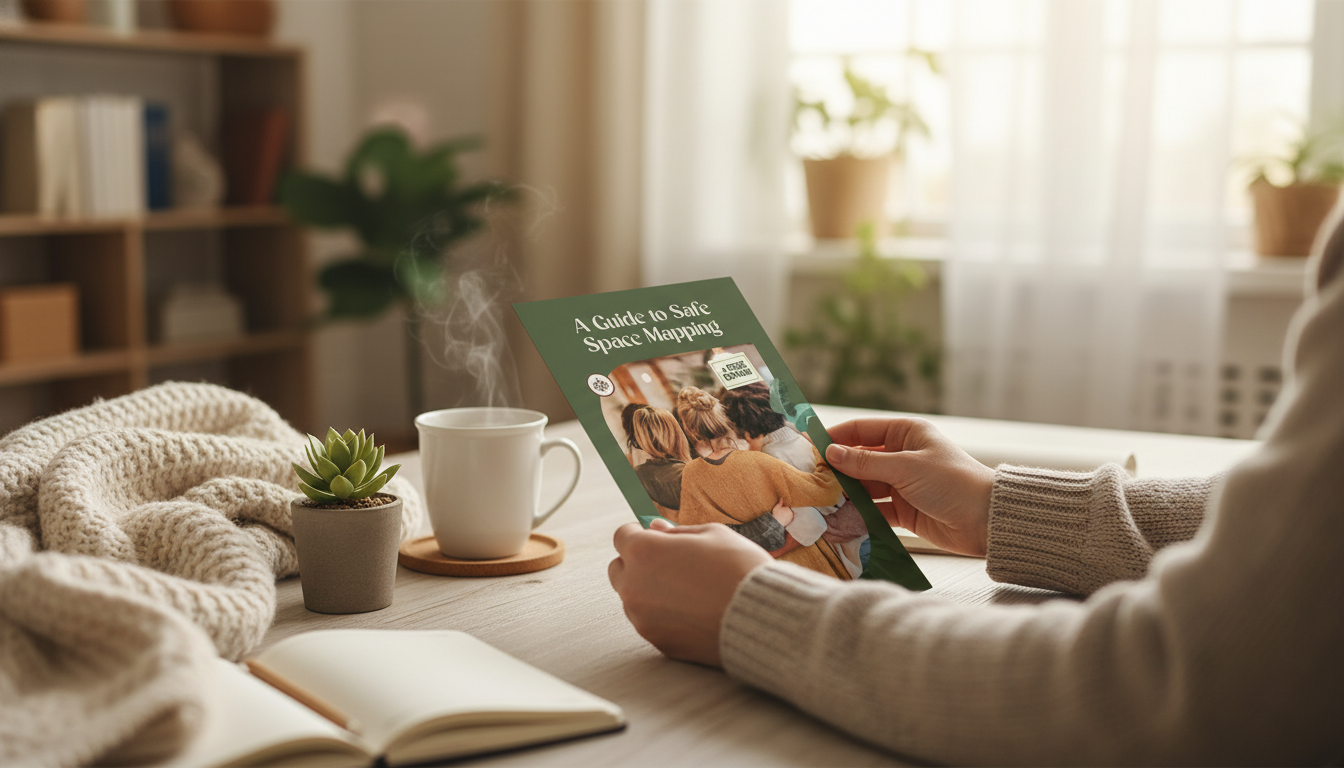
A Guide to Safe Space Mapping: Understanding, Creating, and Using Safe Spaces
Safe space mapping is a practical way to identify what helps people feel secure, supported, and able to participate—at home, school, work, online, and in community settings. This guide breaks down what safe spaces are, how mapping works, and how to turn insights into clear, realistic actions and boundaries.
What “safe space” means in real life
“Safe” is rarely one single thing. Most people experience safety as a layered mix of physical safety (harm reduction), emotional safety (less fear of judgment), social safety (belonging), and cultural safety (respect for identity and lived experience). A space can be physically safe but emotionally tense, or socially welcoming but overstimulating.
A safe space also isn’t the same as being comfortable every moment. Difficult conversations, feedback, and learning can involve discomfort—while still protecting dignity, choice, and predictable expectations. What matters is that people can participate without harassment, humiliation, or retaliation.
Safety is contextual. What feels safe for one person or group may feel unsafe for another, which is why agreements and feedback loops matter. Common signals of safety include clear norms, consistent follow-through, accessible options (quiet zones, sensory breaks), and pathways to ask for help without punishment.
What safe space mapping is and why it works
Safe space mapping is a structured method to document (1) safe places, (2) safe people, (3) safe activities, (4) triggers or risk zones, and (5) supports and responses. Instead of relying on vague impressions like “this place stresses me out,” mapping turns experience into usable details you can act on.
That structure makes planning easier. You can choose routines that reduce friction, request accommodations with clearer specifics, and spot patterns before stress escalates (times of day, particular interactions, or environments that create predictable strain). This approach aligns well with trauma-informed principles that emphasize choice, collaboration, and empowerment—concepts widely discussed in resources from SAMHSA and the National Child Traumatic Stress Network.
Mapping can be used individually (self-advocacy), with families (home routines), in classrooms (behavior supports), or in teams (psychological safety practices and meeting culture).
Core elements to include in a safe space map
1) Places
List rooms, corners, buildings, outdoor spots, and virtual spaces that feel supportive—and note why they work. Consider lighting, noise level, privacy, proximity to exits, seating options, and how easy it is to take a break without being questioned.
2) People
Identify trusted contacts and roles (teacher, coworker, counselor, moderator). Add what each person is best at: listening without escalating, problem-solving, advocating, de-escalation, or helping you re-enter a space after a break.
3) Practices
Include grounding routines, scripts for asking for help, boundaries, and recovery activities that restore control. The goal is not perfection—it’s having a few reliable “next steps” when things wobble.
4) Barriers
Capture practical obstacles (transportation, schedule, cost, childcare) and interpersonal obstacles (conflict history, fear of retaliation, stigma). Barriers often explain why a “good idea” isn’t realistic yet—and what needs to change first.
5) Plans
Step-by-step: creating a map you can actually use
Examples of safe spaces and what typically supports them
| Setting | What often helps | Common risk factors | Small upgrade to try |
|---|---|---|---|
| Home (bedroom/quiet corner) | Predictable routine, low sensory load, permission to pause | Interruptions, conflict spillover, noise | Create a visible “do not disturb” signal and a 10-minute reset routine |
| School/classroom | Clear norms, respectful tone, opt-in participation options | Public correction, unclear expectations, bullying | Add a private help-request method (card, form, or check-in) |
| Work/team space | Psychological safety, role clarity, meeting structure | Interruptions, sarcasm, unclear decision-making | Use agendas + round-robin input + written follow-ups |
| Online/community group | Moderation, explicit boundaries, reporting pathways | Harassment, dogpiling, vague rules | Pin community guidelines and define escalation steps |
Using safe space mapping for families, classrooms, and teams
Families
Map “high-friction moments” (mornings, homework time, bedtime). Design two supportive micro-spaces: a reset space (quiet, low demand) and a collaboration space (well-lit, stocked, time-limited). If homework is a regular trigger, pairing routines with a practical planning tool can help; the Homework Help Made Easy Toolkit for Parents – Printable Guide for Creating Study Habits, Homework Strategies & Independent Learning can support consistent expectations and reduce last-minute conflicts.
Classrooms
Establish norms that protect dignity (private feedback, clear transitions) and identify student-accessible regulation supports (quiet seat, sensory tools, break pass). For bullying concerns, evidence-based guidance from the American Psychological Association can help schools and caregivers focus on prevention and response without blaming targets.
Teams
Keeping maps ethical, inclusive, and practical
Common challenges and quick fixes
Digital ebook format: making the guide part of a routine
For a structured, ready-to-use template, see A Guide to Safe Space Mapping | Digital Ebook on Understanding, Creating & Using Safe Spaces. It can also help to keep a “portable safety kit” page (trusted contacts, grounding actions, go-to places) available on a phone or printed, plus a weekly 5-minute check-in to keep supports current.
FAQ
Is a safe space supposed to prevent uncomfortable conversations?
No. Safe spaces support respectful engagement and dignity; discomfort can be part of learning and problem-solving. The boundary is harm—harassment, humiliation, or threats are not acceptable.
How often should a safe space map be updated?
A monthly or quarterly update works for many people, with quick edits after transitions, conflicts, schedule changes, or entering new environments. If the map stops matching real life, it’s time to refresh it.
Can safe space mapping be used for online groups or social media communities?
Yes. Map the rules, moderation roles, reporting pathways, and your personal boundaries (what you’ll engage with, what you’ll mute, and when you’ll step away). Clear escalation steps and consistent enforcement usually reduce repeat conflict.










Leave a comment