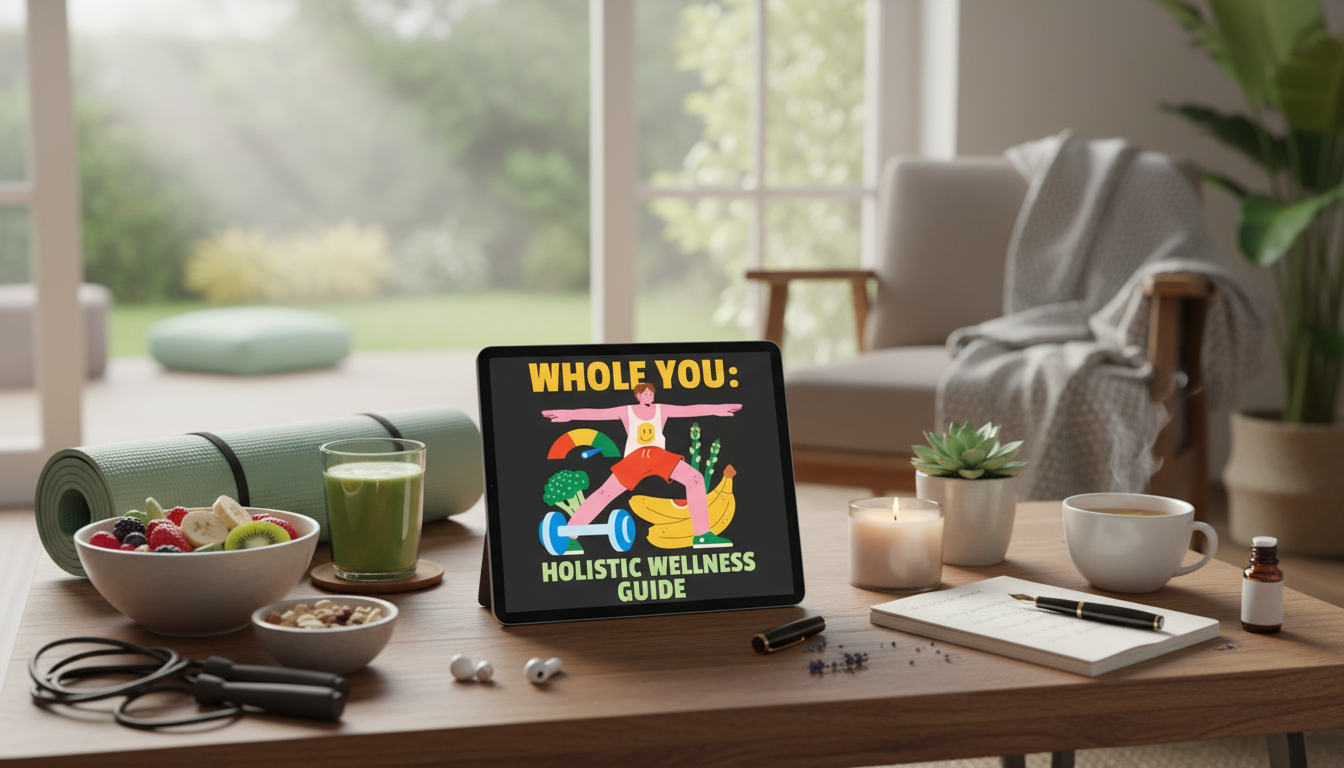
Holistic wellness connects daily choices across food, movement, mental health, sleep, stress, and routines. For beginners, the most sustainable approach is simple, repeatable habits that support the whole person. This guide lays out an easy starting framework and a gentle plan to build momentum without overwhelm.
Holistic wellness is the practice of looking at your health as a connected system. Nutrition affects energy and mood; movement influences sleep and stress; your environment nudges your routines; and your mindset can make healthy choices feel either doable or exhausting.
The goal is consistency, not perfection. Small practices repeated often usually outperform occasional “all-in” resets that leave you burned out. A holistic plan also stays flexible—adjusting to your energy, schedule, health needs, and life seasons.
Watch for red flags that increase stress instead of reducing it: extreme restriction, punishment workouts, and guilt-based routines. Wellness should support your life, not shrink it.
Aim for balanced meals, steady hydration, and regular eating patterns that reduce energy crashes. You don’t need a perfect meal plan—just a few anchors you can repeat.
Choose activities that build strength, mobility, and heart health without requiring an ideal schedule. The best routine is the one that fits real life on busy weeks.
Practice stress regulation skills and seek support when needed. Wellness includes emotional well-being, not just physical habits.
Protect sleep, create restorative downtime, and shape your environment so healthy choices are easier. Think “set it up once, benefit daily.”
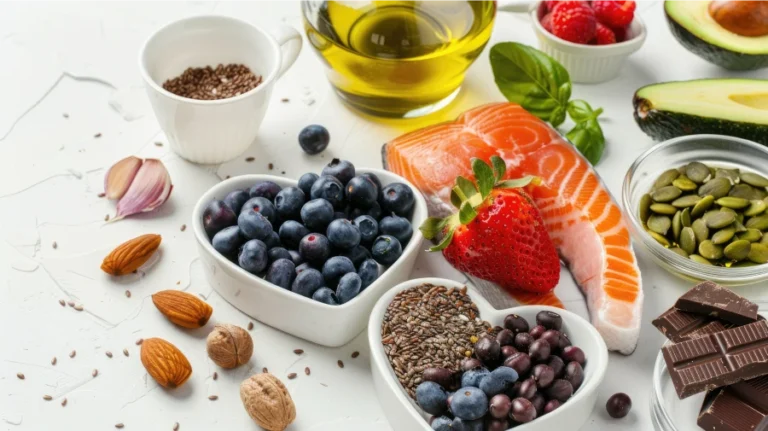
Start by building meals around minimally processed staples: vegetables/fruits, protein, whole grains or starchy vegetables, and healthy fats. Instead of overhauling everything at once, try an “add before subtract” rule—add one nutrient-dense item to meals before removing favorites.
For steadier energy, prioritize protein + fiber at breakfast (or your first meal of the day). This can reduce cravings later and make it easier to keep portions comfortable without overthinking.
Plan for consistency by keeping a short list of repeatable meals and snacks for busy days. Hydration helps, too: keep water visible and pair a glass of water with regular cues (wake up, meals, mid-afternoon).
| Plate element | Simple options | Beginner tip |
|---|---|---|
| Protein | eggs, Greek yogurt, beans/lentils, chicken, tofu, tuna | Include a protein option at each main meal for steadier appetite |
| Fiber-rich carbs | oats, brown rice, quinoa, potatoes, whole-grain bread, fruit | Start by swapping just one refined carb per day |
| Color (produce) | leafy greens, berries, carrots, tomatoes, frozen mixed veg | Frozen produce counts and reduces prep time |
| Healthy fats | olive oil, avocado, nuts/seeds, nut butter | Use small portions; focus on regular inclusion, not extremes |
For evidence-based guidance you can reference anytime, see the Dietary Guidelines for Americans.
Anchor movement to your week with two simple goals: daily light activity (walks, mobility) and 2–3 brief strength sessions. Start smaller than expected—10 to 20 minutes is easier to repeat—and increase only after it feels stable.
Create a “minimum viable workout” for low-energy days, such as a 10-minute walk plus 5 minutes of stretching. Over time, balance your week with strength (muscles/joints), cardio (heart/lungs), and mobility (range of motion). Recovery counts, too: sleep, gentle movement, and rest days reduce injury risk and support consistency.
If you want a clear baseline for weekly activity, the Physical Activity Guidelines for Americans offer a straightforward overview.
Stress isn’t just “in your head”—it can affect appetite, sleep, motivation, and pain. A short daily regulation practice (2–5 minutes) can help your nervous system downshift. Options include slow breathing, a quick body scan, or a few lines of journaling.
If persistent anxiety, low mood, sleep disruption, or loss of interest is getting in the way, consider professional support. The NIMH guide to caring for your mental health is a helpful starting point.
To keep things simple, track one metric that matters (energy, mood, steps, sleep hours, or meal consistency). If you’re using steps or workout minutes as your metric, an Outdoor Smartwatch with LED Flashlight & Ultra-Long Battery Life can make progress easier to notice without overcomplicating your routine.
If your environment feels chaotic, small organization wins can support follow-through—like using a Large Capacity Non-Woven Clothes & Quilt Storage Bag Organizer to clear a corner and reduce visual clutter.
If you prefer a quick-reference format you can revisit anytime, Whole You: Holistic Wellness Guide (digital download) is designed for beginners who want practical routines they can repeat without overhauling their whole life.
Start with one small habit per pillar (nutrition, movement, mental health, self-care) and keep it easy enough to repeat daily. Use a simple 7-day plan and prioritize consistency over intensity so momentum builds naturally.
There’s no single right answer—start with the easiest win. Many beginners do well by adding protein and fiber at meals and committing to daily walking, then layering in short strength sessions as the routine stabilizes.
Yes—simple checklists, prompts, and short routines can reduce decision fatigue and help you do the “minimum viable” version on hard days. The structure can make it easier to restart quickly instead of waiting for motivation to return.












Leave a comment