A portable 12V digital air compressor is a practical way to stay ahead of slow leaks, seasonal pressure swings, and quick pre-ride checks—without depending on a public air pump that may be out of order or inaccurate. With a compact footprint and an easy-to-read digital display, a 12V compressor is built for quick top-offs on cars, motorcycles, and bicycles, making it a smart addition to a trunk emergency kit, garage shelf, or motorcycle luggage.
When a portable digital compressor is most useful
- Correcting pressure before driving or riding, especially during temperature changes that can shift PSI overnight.
- Topping off a tire that’s slightly low to help reduce uneven wear and keep steering and handling predictable.
- Managing roadside situations where a tire isn’t fully flat but needs enough air to reach a repair shop safely.
- Maintaining multiple vehicles at home (car + motorcycle + bike) without relying on gas-station pumps.
Keeping tires properly inflated also supports safety and efficiency. For general tire guidance, see resources from NHTSA, U.S. Department of Energy, and AAA.
Key features to look for in a 12V digital air compressor
- Power source: A 12V vehicle outlet connection provides dependable runtime when you’re away from home power.
- Digital pressure display: Easier to hit a target PSI than relying on small analog tick marks.
- Auto-stop/target pressure (if included): Helps avoid overinflation and reduces repeated checking.
- Hose and cord reach: Long enough to reach all four tires on a parked vehicle without awkward repositioning.
- Valve compatibility and adapters: Supports common tire valves and typical bike inflator needs (especially if you use Presta).
- Portability: Compact storage for a trunk corner, under-seat area, glovebox space, or a pannier.
Quick setup and safe inflation steps
- Park safely: Pull onto a stable surface, away from traffic, and set the parking brake.
- Confirm the correct PSI: For cars, use the driver door jamb placard. For motorcycles and bikes, use the owner’s manual or manufacturer guidance. The tire sidewall lists a maximum rating, not the recommended everyday setting.
- Start with cooler tires when possible: Heat from driving increases pressure readings, making it harder to set an accurate “cold” PSI.
- Attach the connector firmly: A secure connection helps prevent air loss and avoids the common “it’s not inflating” frustration.
- Inflate with control: If there’s no auto-stop, inflate in short bursts and re-check pressure between bursts for accuracy.
- Finish cleanly: Remove the connector quickly, reinstall the valve cap, and let the compressor cool before stowing it.
Car, motorcycle, and bike compatibility at a glance
Most passenger vehicles and many motorcycles use Schrader valves (the same style found on many car tires). Bicycles may use Schrader or Presta depending on the wheel and tube. If your bike uses Presta, a small adapter is usually required when using compressors designed primarily around Schrader connections.
Typical tire valve types and what to confirm before inflating
Typical tire valve types and what to confirm before inflating
| Vehicle type |
Common valve |
What to check before starting |
Notes |
| Passenger car / SUV |
Schrader |
Recommended PSI on door placard |
Inflate all tires to match the placard unless load conditions specify otherwise |
| Motorcycle |
Schrader |
Front vs rear PSI may differ |
Small PSI changes affect handling; use a steady, controlled fill |
| Bicycle (hybrid/MTB) |
Schrader or Presta |
Valve type on tube and rim |
Presta often needs an adapter; avoid overinflation on narrower tires |
| Bicycle (road) |
Often Presta |
Tire’s recommended range and valve adapter availability |
Higher pressures demand careful monitoring and a reliable gauge |
Common mistakes that lead to inaccurate pressure
- Using the tire sidewall number as the target: That figure is typically a maximum rating, not the vehicle’s recommended pressure.
- Checking immediately after driving: Tire temperature rises during use, which increases the pressure reading.
- Not sealing the connection: A slightly loose connector can leak air and make it seem like the compressor isn’t working.
- Ignoring repeated low pressure: Frequent top-offs can signal a nail, puncture, leaking valve core, or rim sealing issue that needs repair.
- Overinflating for “better mileage”: Too much pressure can reduce traction and worsen braking and ride quality.
Roadside readiness checklist
If a printed checklist helps keep everything together, a simple organizer can be useful for families sharing vehicles. The Homework Help Made Easy Toolkit for Parents – Printable Guide for Creating Study Habits, Homework Strategies & Independent Learning can also be repurposed to create consistent routines and checklists (including vehicle prep lists) that everyone follows.
Product spotlight: Portable 12V Digital Air Compressor
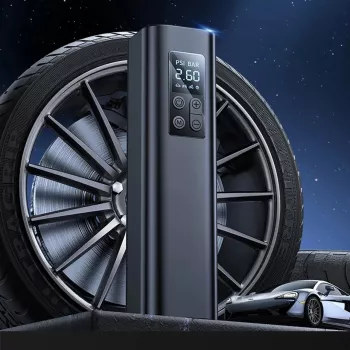
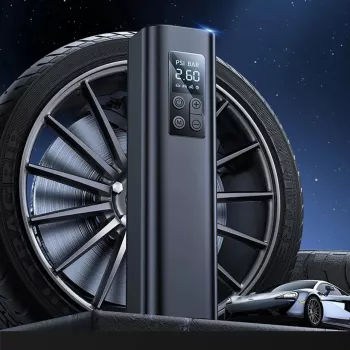
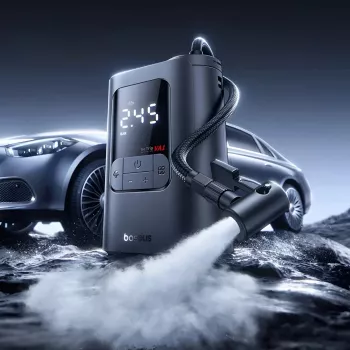
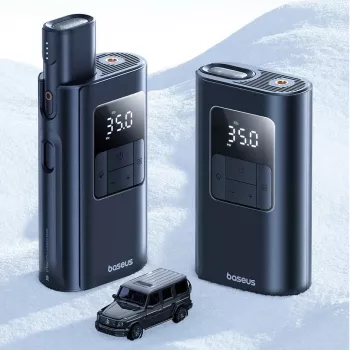
The Portable 12V Digital Air Compressor for Car, Motorcycle & Bike Tires is designed for topping off tires with a digital interface that makes pressure monitoring more straightforward. Its portable form factor suits daily commuting, longer road trips, and packing as a backup for unexpected low-pressure situations. For riders with Presta bicycle valves, pairing it with a small adapter set helps cover most common bike setups.
FAQ
Can a 12V digital air compressor inflate bicycle tires?
Yes—many bicycles use Schrader or Presta valves. Schrader typically works directly, while Presta usually needs an adapter; inflate slowly and stay within the tire’s recommended pressure range for accuracy.
What PSI should tires be inflated to?
Use the vehicle manufacturer’s recommended PSI (door jamb placard for most cars; owner’s manual for motorcycles and bicycles). The number on the tire sidewall is usually the maximum rated pressure, not the best everyday target.
Why does my tire pressure read higher after driving?
Driving and riding heat the tires and the air inside them, which raises the pressure reading. For the most consistent results, measure and adjust when tires are cold and follow the manufacturer’s guidance.
Recommended for you










Leave a comment