Balanced Meal Plan: 1-Week Reset or 1-Month Routine
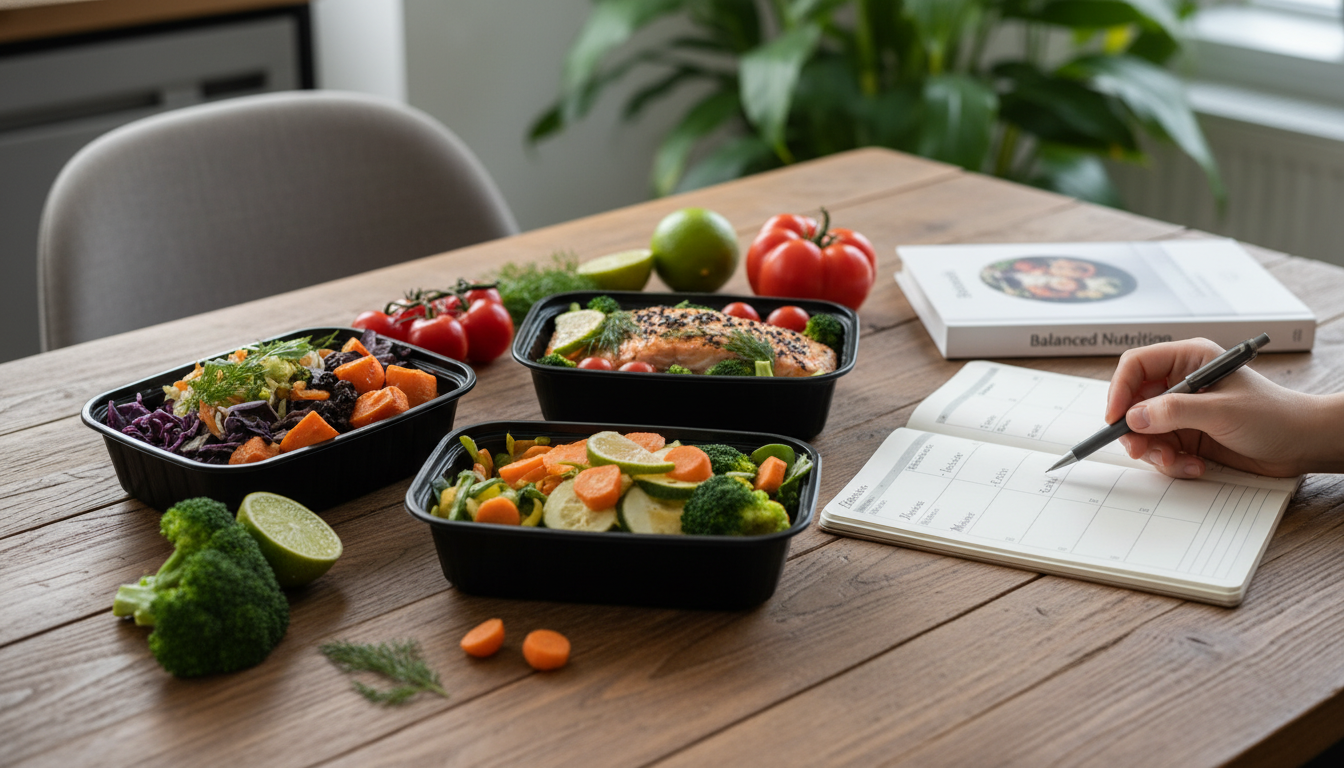
A structured meal plan can reduce daily decision fatigue, simplify grocery shopping, and make balanced eating more consistent. This recipe collection is built around practical, repeatable breakfasts, lunches, dinners, and snacks with an emphasis on steady energy, protein at each meal, fiber-rich carbs, and healthy fats. Choose a one-week reset to get momentum or a full month to build a sustainable routine, with flexible swaps for schedule, preferences, and cooking time.
What “balanced” looks like on a busy schedule
Balanced eating doesn’t require perfect tracking—it needs a repeatable structure that works on rushed mornings and tired weeknights. A reliable “plate formula” is the simplest way to stay consistent: include a protein source, colorful produce, a fiber-rich carb, and a healthy fat. That combination tends to improve fullness, reduce energy dips, and make meals feel complete.
Instead of strict rules, use lightweight benchmarks: add vegetables or fruit to most meals, choose minimally processed proteins when possible, and rotate whole grains and legumes for variety. Many people do best with a short roster of repeatable meals—2–3 breakfasts and lunches on rotation, 3–5 dinners, plus pre-portioned snacks—so decisions don’t pile up midweek.
Hydration and sodium balance also matter. Higher-fiber meals work best when fluid intake is adequate; and salt needs can change with heat, sweating, and medical guidance. If managing a specific condition (diabetes, kidney disease, pregnancy, or food allergies), use this plan as a template and tailor portions and ingredients with a clinician or registered dietitian.
One-week vs one-month planning: how to choose the right timeframe
A one-week plan is ideal for a “reset” because it uses fewer ingredients, keeps prep lighter, and gives quick feedback on what actually fits your preferences and digestion. If weeknights are unpredictable, a week-long approach makes it easier to pivot without wasting food.
A one-month plan supports habit-building. Repetition lowers costs, improves grocery efficiency, and makes batching feel worthwhile once a rhythm is established. Month plans also benefit from pantry staples—oats, rice, beans, canned fish, canned tomatoes, frozen vegetables—plus repeating ingredient families so items get used up instead of forgotten.
Whichever timeframe you choose, flexibility is the difference between “a plan that looks good” and “a plan you follow.” Build in 1–2 buffer dinners per week: leftovers, a freezer meal, or a simple salad kit + protein. Those buffers protect consistency when meetings run late or energy is low.
A sample 7-day balanced menu (with easy swaps)
| Day | Breakfast | Lunch | Dinner | Snack |
|---|---|---|---|---|
| Day 1 | Overnight oats + berries + chia | Turkey or hummus veggie wrap + fruit | Sheet-pan chicken/tofu + roasted vegetables + quinoa | Greek yogurt + nuts |
| Day 2 | Egg scramble + spinach + whole-grain toast | Big salad bowl + beans + avocado | Salmon (or chickpeas) + brown rice + broccoli | Apple + peanut butter |
| Day 3 | Smoothie: yogurt + banana + greens | Leftover dinner grain bowl | Stir-fry beef/tofu + mixed vegetables + noodles | Cottage cheese + pineapple |
| Day 4 | Oatmeal + cinnamon + walnuts | Soup + side salad | Taco bowl: lean protein/beans + salsa + veggies | Carrots + hummus |
| Day 5 | Greek yogurt parfait + granola + fruit | Chicken/tofu quinoa salad | Pasta with veggies + protein + olive oil | Handful of trail mix |
| Day 6 | Breakfast burrito (eggs/beans) + salsa | Leftover pasta + side greens | Slow-cooker chili + toppings (yogurt, scallions) | Protein shake or milk + fruit |
| Day 7 | Pancakes (whole grain) + berries + yogurt | Tuna/bean salad + crackers | Roast or skillet meal + vegetables | Popcorn + string cheese |
Core recipe types to include (so the plan stays realistic)
Balanced nutrition tips: portions, protein, fiber, and fats
Healthy fats matter for satisfaction and nutrient absorption. Use olive oil, nuts, seeds, avocado, and fatty fish, keeping portions mindful since fats are calorie-dense. For carbs, quality and pairing matter: choose fiber-rich carbs and combine them with protein and produce to support steadier blood sugar and energy. Helpful visual frameworks include USDA MyPlate and the Harvard Healthy Eating Plate.
Grocery strategy that makes the plan easier to follow
Prep in layers rather than trying to cook everything: wash/chop produce, cook one grain, cook one protein, and portion 2–3 snacks. That small prep covers multiple meals quickly. Keep food safety basics in mind—cool cooked foods promptly, refrigerate within safe windows, and label containers with dates. For additional guidance on healthy weight and activity foundations, the CDC Healthy Weight resources are a reliable reference.
Putting it all together with the Healthy Meal Plan & Recipe Collection eBook
If you want a structured set of breakfasts, lunches, dinners, and snacks designed for repeatability, see the Healthy Meal Plan & Recipe Collection (eBook). For households juggling schedules, a routines-focused printable can also help keep planning and weekly check-ins consistent: Homework Help Made Easy Toolkit for Parents – Printable Guide for Creating Study Habits, Homework Strategies & Independent Learning.
FAQ
Can the plan work for weight loss without feeling hungry?
Yes—keep protein at each meal, build volume with non-starchy vegetables, and include fiber-rich carbs in portions that match your activity. Planned snacks can prevent “too hungry” moments that lead to oversized portions later, and trimming calorie-dense add-ons (extra oils, large handfuls of nuts) helps without making meals feel small.
How can meals be adjusted for vegetarian or dairy-free eating?
Swap animal proteins for beans, lentils, tofu/tempeh, or edamame, and use dairy-free yogurts or fortified milks in smoothies and breakfasts. Keep the same structure—protein + produce + fiber-rich carb + healthy fat—so meals stay satisfying and balanced.
What’s the easiest way to meal prep without cooking every day?
Batch-cook one protein and one grain, roast a tray of vegetables, and prep 2–3 snacks at the start of the week. Plan dinners that intentionally create leftovers so lunches are already handled.











Leave a comment