HomeBlogBlogBrushless DLC Hair Clipper: Fast Fades, Crisp Lines

Brushless DLC Hair Clipper: Fast Fades, Crisp Lines

Brushless DLC Hair Clipper: Fast Fades, Crisp Lines

High-Speed Precision Hair Clipper with Brushless Motor and DLC Blades: Clean Lines, Smooth Fades, Less Drag

A high-speed clipper built around a brushless motor and DLC-coated blades is designed for consistent power, cooler running, and smoother cutting—especially useful for tight fades, edge work, and bulk removal. The right setup can help you get crisp outlines with fewer repeat passes, which matters for both comfort and finish quality. Below is a practical breakdown of what makes this style of clipper stand out, who benefits most, and how to keep it cutting sharp over time.

What Makes This Clipper Different

  • Brushless motor performance: A brushless motor uses electronic commutation rather than carbon brushes, which can help maintain steadier torque when you hit dense sections. That “doesn’t bog down” feel often translates to less snagging and fewer stalls.
  • DLC-coated blades: DLC (diamond-like carbon) is known for low friction and strong wear resistance. In real use, that can mean smoother glide through hair, reduced drag at the skin, and a blade set that holds its edge longer with proper care.
  • High-speed cutting action: Faster blade movement can improve line cleanliness—especially when you’re shaping a neckline or tightening a fade—because you can get closer results without repeatedly raking the same area.
  • Built for precision: The overall feel is aimed at controlled tapering, blending, edging, and finishing work where stability matters as much as raw power.

Who It’s Best For

  • Home users chasing cleaner fades: If your current clipper pulls or leaves patchy spots, a steadier motor plus low-drag blades can make DIY cleanup more consistent.
  • Barbers and stylists: Frequent sessions highlight motor consistency and heat management. A clipper that keeps speed under load helps results look the same from the first cut to the last.
  • Thick, coarse, or curly hair types: Dense hair can expose weak torque quickly. Consistent power and a smooth-cutting blade set help reduce chatter and tugging.
  • Detail-focused groomers: Anyone who cares about crisp outlines, blends, and finishing touches—not just quick buzz cuts—will notice the difference in control.

Performance, Comfort, and Control

Power delivery that stays predictable

Brushless motors typically hold speed more consistently as the battery drains compared with many brushed designs. That consistency is useful during blending, where a small change in speed can lead to uneven transitions or extra cleanup passes.

Smoother cut feel and less “grab”

Heat management for longer sessions

Blade friction is a major contributor to heat. Efficient motor design and low-friction cutting surfaces can help keep the clipper more comfortable to hold and reduce the chance of irritation from repeatedly going over the same area. For skin-friendly habits, the American Academy of Dermatology’s guidance on preventing bumps and irritation is a helpful reference: American Academy of Dermatology Association — How to shave (and help prevent razor bumps).

Noise and vibration

Quick Specs and At-a-Glance Summary

Clipper Feature Snapshot

Feature What It Means Why It Helps
Brushless motor Electronic commutation instead of carbon brushes Steadier torque and potentially longer motor life
DLC blades Hard, low-friction coating on cutting surfaces Smoother glide, less wear, can reduce heat from friction
High-speed cutting Fast blade movement per minute Cleaner lines with fewer passes on dense hair
Precision work focus Built for edging, tapering, and blending control More predictable results on fades and outlines
Regular cleaning/oiling Remove debris + lubricate blade set Reduces drag, helps prevent rust, keeps cutting consistent

How to Get Cleaner Fades and Sharper Lines

Care and Maintenance for Long-Term Performance

  • After each cut: Brush out loose hair, paying close attention to blade teeth where compacted debris hides.
  • Oil lightly: Add 1–2 drops along the rails/teeth area, then run the clipper briefly to distribute. Over-oiling can attract dust; under-oiling increases heat and pulling.
  • Disinfect safely: Use a clipper-safe disinfectant and follow label contact times. Avoid soaking electronic parts. General best practices for cleaning and disinfecting are outlined by the CDC: CDC — Cleaning and Disinfecting Your Facility.
  • Watch for dullness: More pulling, louder cutting, more passes needed, or uneven lines can indicate it’s time to clean deeper, re-oil, or replace/resharpen blades.
  • Store dry and protected: Moisture invites corrosion, and unprotected storage risks tooth damage that can cause tracking and patchiness.

Common Mistakes That Cause Pulling or Patchiness

Product Options Available

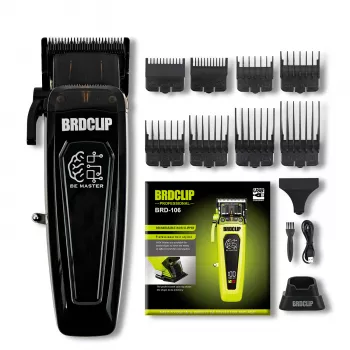
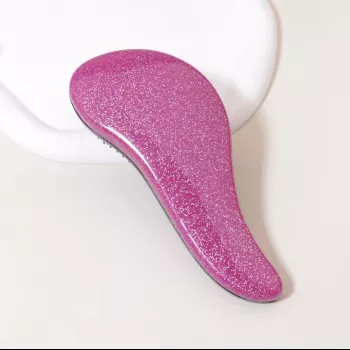
If you want a clipper built for fade work, edging, and general home grooming, the High-Speed Precision Hair Clipper with Brushless Motor and DLC Blades is available now. For better control during clipper-over-comb or scissor-over-comb techniques, a stiffer, anti-static comb can improve tension and consistency—try the 5-Piece Carbon Fiber Anti-Static Cutting Comb Set. If you regularly work with natural texture, the Afro Styling Comb for Natural Curly Hair & Real Hair Wigs can also help lift and section dense curls for more even debulking.

For a quick refresher on how electric motors work (and why design differences can affect performance), see: Encyclopaedia Britannica — Electric motor.

FAQ

Do DLC blades stay sharp longer than standard steel blades?

DLC is a low-friction, wear-resistant coating that can help blades maintain a smooth cutting surface longer, but longevity still depends on hair type, cleaning, oiling, and avoiding damage from drops or running blades dry.

Is a brushless motor better for thick or coarse hair?

Brushless designs often hold torque more consistently under load, which can reduce bogging and pulling in dense hair. Technique and a clean, properly oiled blade set still make a big difference.

How often should clipper blades be oiled?

Lightly oil after each use, and add a drop during longer sessions if the blades start sounding louder or feeling warmer. Always brush out hair and debris first so oil doesn’t trap buildup.

Was this article helpful?

Yes No
Leave a comment
Top

Yay! 10% Off Just for You!

Join our community and enjoy 10% off your first order. Subscribe for exclusive deals!

Shopping cart

×