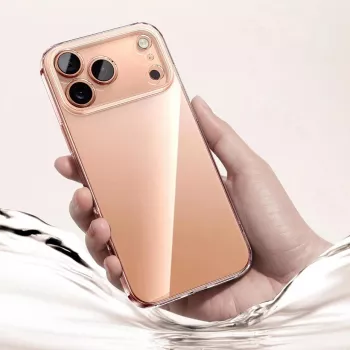
A transparent case should do two things well: keep a device looking like itself and reduce the risk from daily bumps, drops, and pocket wear. Clear cases can be deceptively different from one another—some prioritize a rigid, “glass-like” look, while others focus on flexible shock absorption and grip. The best option is usually the one that fits snugly, protects the corners, and stays pleasant to use every day.
Below is a practical guide to what to look for in a crystal-clear protective case, how it typically performs in real-life use, and how to keep it looking clear over time—plus a quick spec-style checklist to make comparisons easier.
Daily damage rarely comes from dramatic accidents. It’s more often a slow accumulation of small impacts, abrasion, and pressure points that leave a phone looking worn. A well-designed clear case helps reduce risk in four common situations:
For broader guidance on electronics purchases and protection-plan fine print, consumer tips from the Federal Trade Commission (FTC) are a helpful reference when comparing options and return policies.
Clear-case performance is strongly tied to what it’s made of. The most common builds are:
Clarity changes are most often caused by a mix of UV exposure, heat, skin oils, and dyes from pockets or bags. No clear case stays perfect forever, but some habits slow discoloration and haze. Fit also matters: a snug case with smooth seams helps reduce dust and lint buildup along edges, which can make a clear case look grimy faster than expected.
When cleaning your phone and accessories, it helps to follow conservative guidance similar to Apple’s cleaning recommendations: use gentle materials, avoid harsh chemicals, and keep moisture controlled.
A clear case can look great on day one and still be frustrating if the small details are off. These are the day-to-day factors that tend to separate “good enough” from genuinely comfortable:
For many people, the biggest real-world upgrade is corner confidence: reinforced corners or a slightly cushioned edge can make small drops far less stressful.
| Feature | Why it matters | What to look for |
|---|---|---|
| Material | Affects drop protection, feel, and long-term clarity | TPU, PC, or hybrid; firm corners are a plus |
| Corner protection | Corners are the most frequent impact point | Reinforced corners or air-cushion style design |
| Screen lip | Helps reduce screen-to-table contact | Raised edge around the front bezel |
| Camera bump | Prevents lens scratches when set down | Raised ring around camera cutout |
| Button feel | Daily usability and comfort | Crisp, aligned buttons; not overly stiff |
| Cutout accuracy | Accessory and cable compatibility | Centered ports; enough clearance for cable housings |
| Anti-yellowing care | Keeps transparency longer | Easy-to-clean surface; avoid long sun exposure |
If you’re stocking up on practical extras, these other in-stock items may also be useful for everyday routines: Homework Help Made Easy Toolkit for Parents – Printable Guide for Creating Study Habits, Homework Strategies & Independent Learning and Straight Hair V-Comb Styling Brush for Smooth, Sleek Results.
Yellowing is common with some plastics due to UV exposure, heat, and skin oils. Better materials and hybrid builds may slow the change, and regular cleaning plus avoiding prolonged sun/heat helps keep the case clearer longer.
A clear case can help with minor to moderate drops, especially when corners are reinforced, but very high drops can still crack a screen. For more complete coverage, pairing a case with a screen protector is a practical upgrade.
Wash it with mild soap and lukewarm water using a soft cloth, then rinse thoroughly and dry completely before reinstalling. Avoid acetone, alcohol-heavy solvents, and abrasive pads, which can haze or scratch the plastic.











Leave a comment