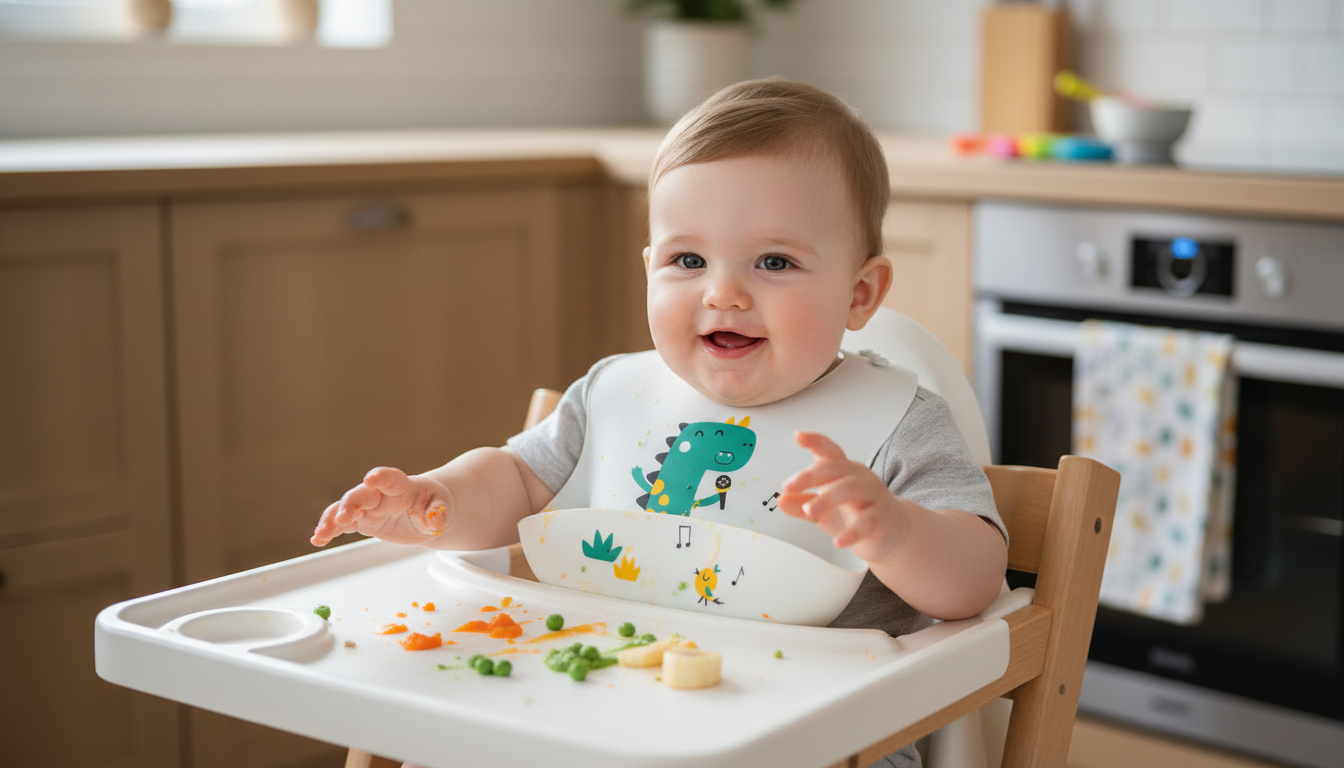
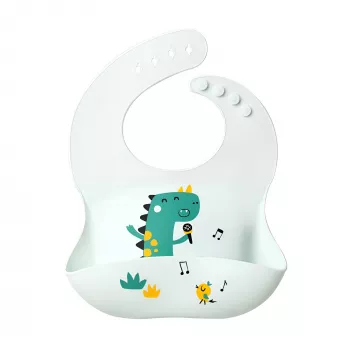
Mealtime with babies and toddlers is messy by design. A soft, waterproof silicone bib helps catch spills before they reach clothes, while a comfortable neckline and lightweight feel make it easier for little ones to tolerate wearing it. This guide breaks down what to look for, how to use it day to day, and how to keep it clean and ready for the next meal. For more guidance, see 3-Pack Waterproof Long-Sleeve Baby Bibs – Weaning Smock With ….
A silicone feeding bib is built for the realities of starting solids: drips, splats, and the enthusiastic “helping” hands that come with early self-feeding. The best designs focus on easy protection without turning the bib into something a child constantly tries to remove. For further reading, see [PDF] springboro community city schools – expenditure history.
Even the most waterproof bib won’t help if it’s uncomfortable. Fit and softness matter because babies eat multiple times a day, and toddlers are quick to protest anything that feels restrictive.
Silicone bibs are popular because cleanup is quick, but a simple routine keeps them looking and smelling fresh—especially after strongly colored foods like tomato sauce or curry.
For broader feeding guidance, the American Academy of Pediatrics has a helpful overview on starting solids: American Academy of Pediatrics – Starting Solid Foods. For general family food safety habits (storage, handwashing, and preventing contamination), see: CDC – Food Safety for Families.
Feeding time is a great moment for exploration, but bibs are still gear—not toys. A few basic safety checks help keep mealtime comfortable and low-stress.
Different bib materials solve different problems. Silicone excels with wet, messy meals, while cloth bibs can be more comfortable for lighter use. The choice often comes down to your child’s stage and the types of foods you serve most.
| Material | Best for | Cleanup | Typical drawbacks |
|---|---|---|---|
| Silicone | Purées, sauces, finger foods, snacks | Wipe/rinse; can be washed with soap | May feel bulky if stiff; pocket needs corner cleaning |
| Cloth | Drool, light snacks, short meals | Laundry required | Soaks through; stains and odors can build up |
| PEVA/Plastic | Quick protection on the go | Wipe clean | Less flexible; can crinkle; pocket may collapse |
| Hybrid | Moderate mess with softer feel | Laundry + wipe | Slower drying; can still stain |
A silicone bib can do a lot on its own, but a few small habits make it even more effective—especially during the “grab, smear, drop, repeat” stage.
Some silicone bibs are dishwasher-safe, but it depends on the manufacturer’s care instructions. If allowed, placing it on the top rack and avoiding overly harsh high-heat settings can help prevent warping.
Silicone is non-absorbent, so most mess rinses off instead of soaking in. Prompt rinsing, washing with mild soap, brushing pocket corners, and fully drying before storage help prevent smells.
They’re commonly used from the start of solids through toddler self-feeding, as long as the bib fits well and is adjusted safely at the neck. Focus on secure fit and supervision rather than a strict age cutoff.









Leave a comment