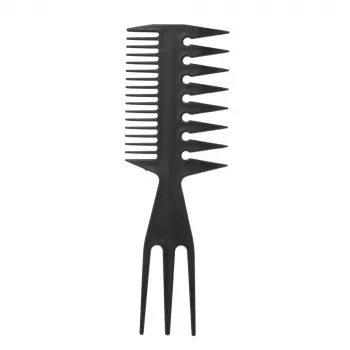
Tangles, shedding, and flyaways can turn wash day or wig styling into a frustrating routine. A wide-tooth comb designed to reduce static and glide through coils, curls, and wig fibers helps detangle with less snagging, protects lace and wefts, and keeps styles looking smoother between refreshes. The 3-in-1 Anti-Static Wide Tooth Detangling Comb for Natural Hair & Wigs is built for exactly that “gentle but effective” sweet spot—especially when you’re trying to keep curls intact or extend the life of a favorite wig. For more guidance, see How to Style a Synthetic Wig – Breast Cancer.org.
Not all combs behave the same on textured hair or wig fibers. The details—spacing, surface, and how you use it—can determine whether you glide through knots or create more friction. For further reading, see [PDF] MVP Hair Brochure – X-Culture.org.
A wide-tooth comb earns its keep when it’s used where it shines: low-friction detangling, product distribution, and refresh work that doesn’t rough up the cuticle or disrupt curl groupings more than necessary.
For hair health basics—especially around handling, hydration, and reducing breakage—authoritative guidance from the American Academy of Dermatology Association can be a helpful reference point. If breakage is already happening, the Cleveland Clinic’s overview of hair breakage causes and prevention also offers practical context for adjusting routines.
Detangling doesn’t have to be a battle. A few technique tweaks can make a wide-tooth comb feel dramatically more “slip-friendly,” especially for curly/coily hair and wig fibers that snag easily.
Wigs look best when the foundation stays intact. Detangling technique matters just as much as the tool—especially near lace fronts, closures, and weft stitching.
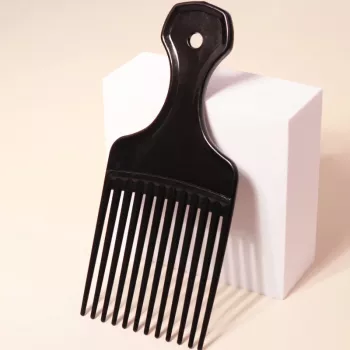
If you regularly style textured wigs, pairing detangling with a volume tool can help you shape without over-combing. For lift at the roots, consider the Afro Styling Comb for Natural Curly Hair & Real Hair Wigs—it’s more about root lift than working through knots.
| Tool | Best for | Hair/Wig types | When to avoid |
|---|---|---|---|
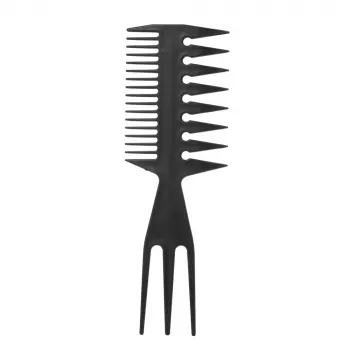
| 3-in-1 Anti-Static Wide Tooth Detangling Comb | Detangling, product distribution, low-friction refresh | Natural curls/coils, human-hair wigs, synthetic wigs | Very tight tangles without added slip; always prep with product first |
| Afro Styling Comb | Root lift and volume shaping | Curly/coily natural hair, textured wigs | Fully detangling from roots to ends; can disrupt curl clumps |
| Straight Hair V-Comb Styling Brush | Smoothing for sleek finishes | Straightened hair, straight wigs | Wet detangling on curls/coils; may increase frizz if used incorrectly |
For day-to-day detangling and refresh work across both hair and wigs, the 3-in-1 Anti-Static Wide Tooth Detangling Comb for Natural Hair & Wigs is a strong “grab-and-go” option that fits into most routines without forcing a one-style-only approach.
Yes, especially when paired with a wig-safe detangler and gentle section-by-section combing. Start at the ends and support the cap to reduce stress on fibers and stitching.
For curls/coils and wigs, detangling with added slip (conditioner or detangling spray) typically reduces breakage and frizz compared with dry detangling. If hair is very fragile, keep it damp and lubricated rather than soaking wet.
Light detangling after each wear (or when tangles appear) helps prevent matting. Focus on the nape and ends, and avoid over-combing the lace front.











Leave a comment