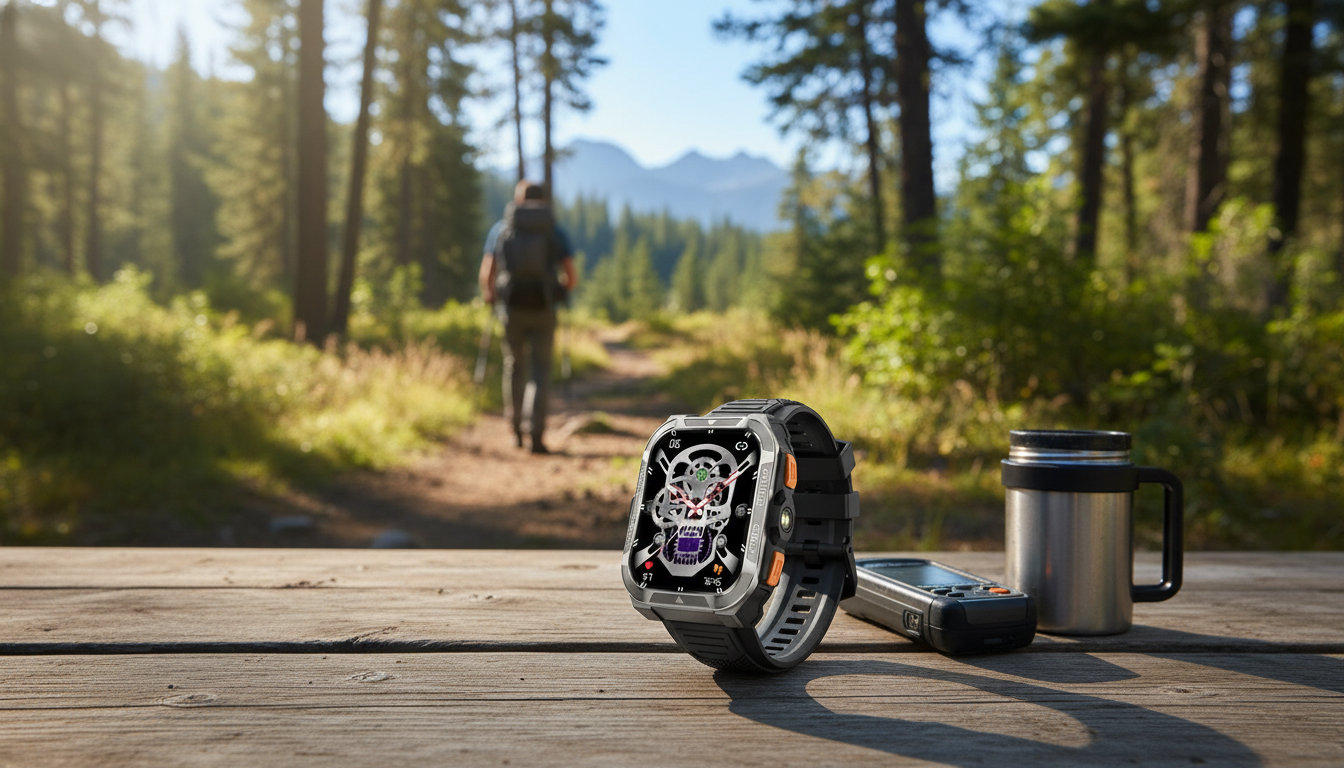
A rugged GPS smartwatch is most useful when it stays readable, trackable, and dependable far from outlets and reliable cell service. This guide breaks down the practical features that matter outdoors—durability, navigation, battery strategy, and comfort—plus simple setup tips to get accurate tracking without draining the battery too quickly.
“Rugged” isn’t just a look. It’s a set of design choices that help a watch keep working after bumps, weather swings, and long days on the move.
When a product references durability standards like MIL-STD testing, it typically points to lab-style environmental evaluations rather than a guarantee for every scenario. For background on what those standards cover, see the U.S. DoD overview of MIL-STD-810.
GPS watches estimate your position using satellite signals—not cell towers—so they’re useful even when your phone has no bars. Accuracy, however, changes with terrain and sky visibility.
For a plain-language explanation of how GPS works, GPS.gov is a reliable reference.
Battery life claims vary because “days” can mean basic watch mode, while GPS tracking can mean hours. The trick is setting up a baseline that matches how you actually hike, run, or ride.
If the watch uses Bluetooth to sync with a phone, connection behavior and background sync can influence battery. For technical context on Bluetooth standards, the Bluetooth Core Specification overview is the authoritative starting point.
| Situation | Most helpful features | Setup tip to save battery |
|---|---|---|
| Day hike with photos and stops | Reliable GPS logging, readable screen, water resistance | Disable non-essential notifications; increase screen timeout only when needed |
| Trail run in tree cover | Fast GPS lock, stable tracking, secure strap | Use manual screen wake; keep brightness moderate |
| Bike commute + weekend rides | Quick start/stop, sweat resistance, durable case | Turn off always-on display; sync later over Wi‑Fi/Bluetooth if supported |
| Multi-day camping trip | Extra-long battery, simple controls, weather tolerance | Use GPS only during key segments; reduce background sensors |
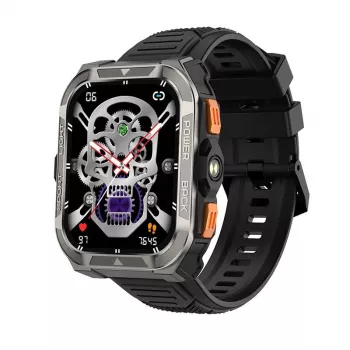
If the goal is dependable outdoor tracking without premium pricing, Rugged Outdoor GPS Smartwatch with Extra-Long Battery is built around the essentials: a tough, outdoor-ready design paired with GPS capability and a runtime strategy that suits longer trips.
For planning consistency—training blocks, school-night schedules before early trail days, or printable routines that keep habits on track—some shoppers also pair gear purchases with simple organizers like Homework Help Made Easy Toolkit for Parents – Printable Guide for Creating Study Habits, Homework Strategies & Independent Learning.
It depends on how long GPS is active, screen brightness, always-on display, sensor settings, notifications, and temperature. For a reliable estimate, track one or two typical activities and note how many GPS hours you get per charge after applying battery-saving settings.
Yes—GPS uses satellites, not cell towers, so location tracking can still work with no phone service. Some features like syncing, sharing, or certain app-dependent tools may require a connection later.
For hiking, rain, and sweat, a verified water-resistance rating (such as an IP or ATM rating) is the key reference. Rain and splashes are different from swimming, so match the rating to your expected exposure and rinse/dry the watch after wet, sweaty, or muddy outings.










Leave a comment