Simple Family Bonding Activities for Home & Outdoors
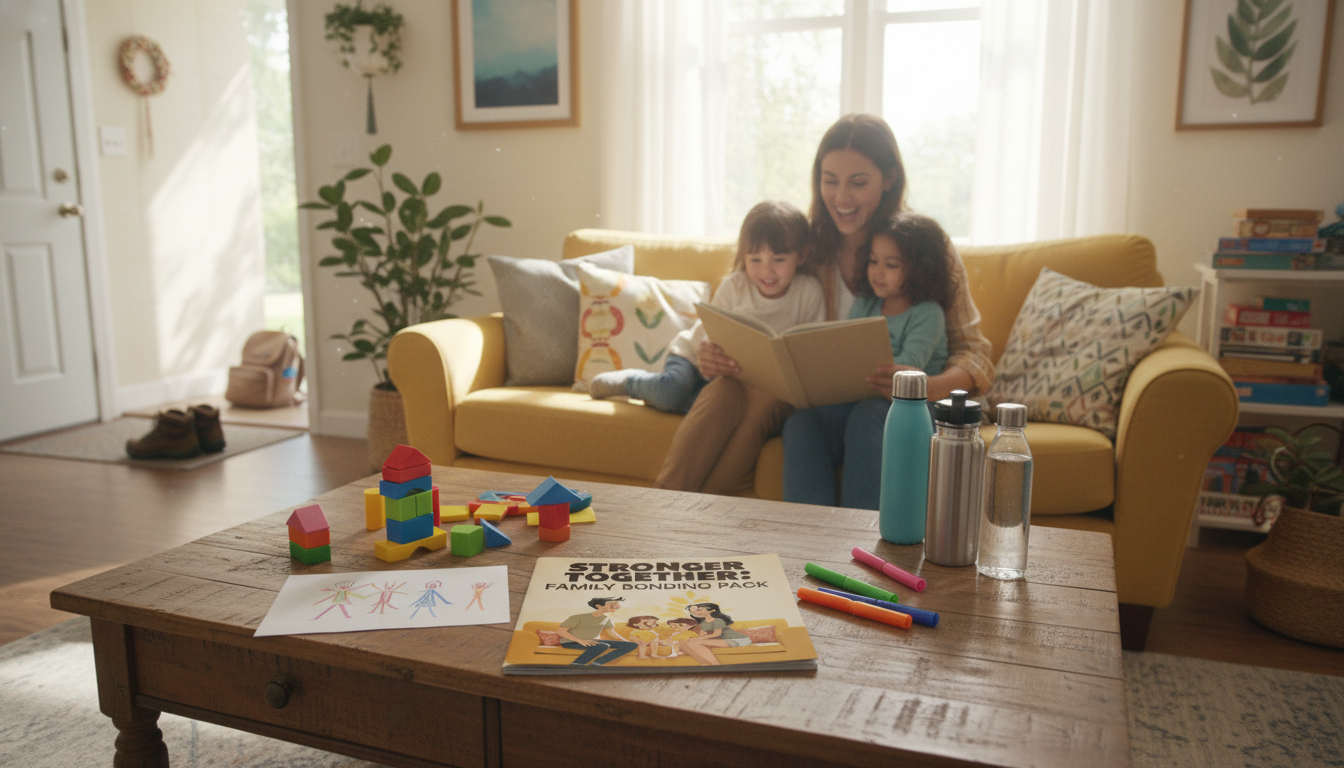
Stronger Together: Simple Activities That Build Family Connection at Home and Outdoors
Busy schedules, screens, and stress can make quality time feel harder than it should. A small, repeatable plan—plus a mix of cozy at-home moments and low-prep outdoor ideas—can help families reconnect without forcing “perfect” bonding. The goal isn’t a constant stream of big experiences; it’s steady, reliable connection that kids can count on and parents can actually maintain.
Below is a practical way to use the Stronger Together: Family Bonding Pack to create small weekly wins—plus simple ideas you can repeat until they feel like your family’s “normal.”
What the Stronger Together Family Bonding Pack includes
- Digital format for quick access, easy printing, and reusing activities as routines change.
- Printable at-home connection activities designed for low-prep family time on weekdays.
- Outdoor activities that encourage conversation, teamwork, and shared memories.
- Family time checklist to reduce decision fatigue and make planning easier.
- eBook-style guidance to help parents adjust activities for different ages, personalities, and family dynamics.
Many families find it helpful to think of connection as a “serve-and-return” pattern—small back-and-forth moments that build trust over time. (Harvard’s Center on the Developing Child explains this concept clearly here.)
Who it’s for (and when it helps most)
- Families who want screen-light ways to reconnect after school, work, or busy seasons.
- Parents who prefer structured ideas with flexible timing (short or longer activities).
- Kids who do better with predictable routines, visual checklists, and clear “start/finish” activities.
- Families navigating transitions—new school year, new sibling, move, or blended routines.
- Caregivers who want alternatives to big outings: connection that fits into normal days.
If evenings are dominated by homework or studying, pairing connection with calmer routines can help reduce friction. The Homework Help Made Easy Toolkit for Parents can work well alongside a short bonding “reset,” especially during demanding school weeks.
How to use the pack without adding pressure
- Start with micro-connection: pick 10–15 minutes and treat it like a standing appointment.
- Let one child choose the activity twice per week to increase buy-in and reduce resistance.
- Use the checklist as a menu: circle 3–5 options for the week instead of trying everything.
- Keep materials in one place: a “family time” folder, clipboard, or drawer for grab-and-go ease.
- End with a simple close: one favorite moment, one gratitude, or one plan for next time.
When connection is consistent, it often supports better cooperation. The CDC’s parenting resources also emphasize positive attention and predictable routines as practical building blocks for everyday family life (CDC Essentials for Parenting).
A realistic weekly rhythm (sample plan)
A sustainable target is three short connection moments during the week plus one longer weekend activity. Mix formats so you’re not always relying on the same kind of energy—some days call for calm, others for movement.
Sample 7-Day Family Connection Plan
| Day | Time Needed | Activity Type | Goal | Checklist Tip |
|---|---|---|---|---|
| Monday | 10–15 min | At-home | Reconnect after the day | Choose one prompt or mini-activity and keep it consistent |
| Tuesday | 15–20 min | Conversation | Practice listening and turn-taking | Use a timer so everyone gets a fair turn |
| Wednesday | 20–30 min | Movement | Reset stress and energy | Pair with music or a simple challenge to boost enthusiasm |
| Thursday | 10–15 min | At-home | Teamwork and encouragement | Assign tiny roles so each person contributes |
| Friday | 20–30 min | Family ritual | Celebrate effort, not perfection | Do a quick “high/low” share and a small treat or game |
| Saturday | 45–90 min | Outdoor | Shared memory + exploration | Pack a snack and pick a route that fits the youngest child |
| Sunday | 15–25 min | Planning | Reduce Monday stress | Circle 3 activity options for next week and post them visibly |
At-home connection ideas that work on busy days
Outdoor connection ideas that feel like play (not chores)
Keeping it going: gentle accountability and family rituals
For additional guidance on positive parenting approaches that support connection and cooperation, the American Psychological Association offers practical perspective here.
Getting the Stronger Together Family Bonding Pack
- Digital delivery makes it easy to start the same day—no waiting for shipping.
- Print only what you need and reuse favorites as recurring family rituals.
- Pair the checklist with a visible calendar to reduce last-minute decision stress.
- During study-heavy seasons, combine short bonding moments with structured routines (the Homework Help Made Easy Toolkit for Parents can help keep evenings calmer while still leaving room for connection).
If you want a simple place to begin, start with one printable at-home activity and one outdoor idea from the Stronger Together: Family Bonding Pack, then repeat them for two weeks before adding anything new.
FAQ
What ages does the Family Bonding Pack work best for?
It can be adapted for a wide range of ages: younger kids often do best with shorter activities and more movement, while older kids typically prefer more autonomy and deeper prompts. In mixed-age families, assign roles by age (leader, timer, “materials helper,” or recap storyteller) so everyone has a clear way to contribute.
Do the activities require special materials or a lot of prep?
Most options are low-prep and use common household items like paper, markers, tape, or a ball. Printing only the pages you plan to use—and keeping a small supply kit in one spot—reduces friction and makes it easier to follow through.
How often should a family do these activities to see a difference?
A realistic baseline is three short moments during the week plus one longer activity on the weekend. Consistency matters more than duration, and repeating a few favorites often builds stronger rituals than constantly trying new activities.











Leave a comment