HomeBlogBlogSoft Rubber Toothbrush Chew Stick for Dog Dental Care

Soft Rubber Toothbrush Chew Stick for Dog Dental Care

Soft Rubber Toothbrush Chew Stick for Dog Dental Care

Durable Soft Rubber Dog Toothbrush Chew Stick for Easy Teeth Cleaning

Daily dental care can be the difference between fresh breath and costly vet visits. A chew stick designed for tooth-cleaning helps remove soft buildup through gentle chewing action, offering a low-stress option for dogs that resist traditional brushing.

Why dental care matters for dogs

Dogs rely on their mouths for everything from eating to exploring the world. When plaque is left alone, it can quickly turn from a minor nuisance into a bigger health issue that affects comfort and quality of life.

  • Plaque can harden into tartar, contributing to gum irritation and bad breath.
  • Dental discomfort may reduce appetite, increase drooling, or trigger pawing at the mouth.
  • Consistent at-home care supports professional cleanings and helps maintain healthier gums.

For more guidance on why dental routines matter, see the resources from AVMA and the WSAVA Global Dental Guidelines.

What makes a chew stick helpful for teeth cleaning

A toothbrush chew stick works by turning a natural behavior—chewing—into a practical habit. While it doesn’t “brush” the way a bristled brush does, it can still contribute to a cleaner mouth when used consistently and safely.

  • Chewing creates mechanical friction that can help disrupt plaque on tooth surfaces.
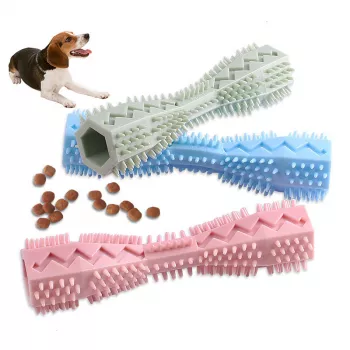
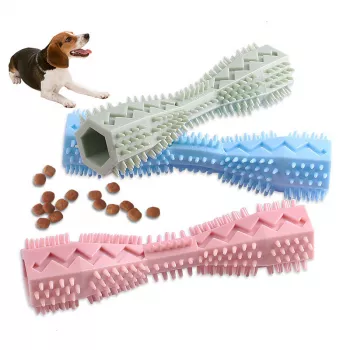
  • Textured grooves and raised nubs can reach along the gumline and between teeth more effectively than smooth toys.
  • A soft rubber build can provide a gentler feel for sensitive mouths while still offering cleaning contact.

As part of a wider plan, chew-to-clean tools can make daily care feel more like play—especially for dogs that pull away from brushes or won’t tolerate fingers near their gums.

Product overview: Durable Soft Rubber Dog Toothbrush Chew Stick

The Durable Soft Rubber Dog Toothbrush Chew Stick for Easy Teeth Cleaning is designed as a chewable toothbrush-style stick for routine mouth care during play. Its soft rubber texture aims to feel comfortable while encouraging repeated chewing, which is where the cleaning action comes from.

  • Designed as a chewable toothbrush-style stick for routine mouth care during play.
  • Soft rubber texture aims to be comfortable while encouraging repeated chewing.
  • A practical add-on to dental routines for dogs that dislike finger brushes or standard toothbrushes.
  • Best results come from pairing chew-time with other habits such as dental checkups and approved dental products.
At-a-glance details

Item Details
Product name Durable Soft Rubber Dog Toothbrush Chew Stick for Easy Teeth Cleaning
Material Soft rubber
Primary use Chewing toy designed to support tooth surface cleaning
Price 2.51 USD
Stock 49

How to use a toothbrush chew stick effectively

Like any new dental habit, success comes from keeping it positive and predictable. Start easy, stay consistent, and supervise every session.

  • Introduce slowly: let the dog sniff and mouth the chew stick briefly, then offer praise for calm interaction.
  • Use short sessions at first (a few minutes), especially for puppies or dogs new to chew-to-clean toys.
  • Encourage chewing on both sides by gently repositioning the stick during supervised play.
  • Create a routine: consistent daily or near-daily use supports better results than occasional chewing.
  • If using any dental gel or paste, only use products made for dogs and follow label directions.

A good rule of thumb: aim for calm, focused chewing rather than frantic gnawing. If your dog is trying to race through the session, pause and restart later when they’re more settled.

Choosing the right size and chew style for your dog

A chew stick should feel manageable in the mouth and safe in the moment-to-moment of play. The “best” option depends as much on chewing style as it does on size.

  • Match toughness to chewing habits: power chewers may need more frequent replacement, while light chewers may benefit from softer textures longer.
  • Select a size that cannot be swallowed whole; the dog should be able to hold it comfortably while chewing.
  • For senior dogs or those with sensitive gums, softer materials may be more comfortable than rigid chews.
  • If the dog has loose teeth, oral pain, or bleeding gums, pause and ask a veterinarian before continuing.

If you’re unsure about dental health status, the AAHA dental care overview outlines common warning signs and why early attention matters.

Safety, supervision, and replacement tips

Even soft rubber products should be treated as supervised chew tools, not a “set it and forget it” toy. A few simple checks help prevent accidents and keep the chew effective.

  • Supervise chewing, especially during the first uses, to confirm the dog chews appropriately rather than trying to gulp pieces.
  • Inspect before and after each session for cracks, sharp edges, or missing chunks; replace if damaged.
  • Keep clean: rinse with warm water and mild soap if needed, then thoroughly rinse and air-dry.
  • Avoid hard, brittle items that can fracture teeth; choose chew products that flex rather than splinter.
  • Set boundaries: remove the chew stick if the dog becomes overly excited, possessive, or starts shredding.

Building a complete dental routine around chew-time

FAQ

How often should a dog use a toothbrush chew stick?

Daily or near-daily supervised chew sessions usually provide the most consistent support. Adjust frequency based on how intensely your dog chews and how sensitive their gums are, and follow your veterinarian’s guidance if dental disease is present.

Can a chew stick replace brushing a dog’s teeth?

No—chew sticks can help support dental hygiene, but they don’t fully replace brushing. When possible, combine chew-time with dog-safe toothbrushing and regular professional dental care.

When should a toothbrush chew stick be replaced?

Replace it if you notice cracks, sharp edges, missing chunks, heavy wear, or persistent odor that doesn’t rinse away. Regular inspection is key, since damaged chews can become a safety risk.

Was this article helpful?

Yes No
Leave a comment
Top

Yay! 10% Off Just for You!

Join our community and enjoy 10% off your first order. Subscribe for exclusive deals!

Shopping cart

×