10 Iconic U.S. National Parks: Fast Facts & Planning
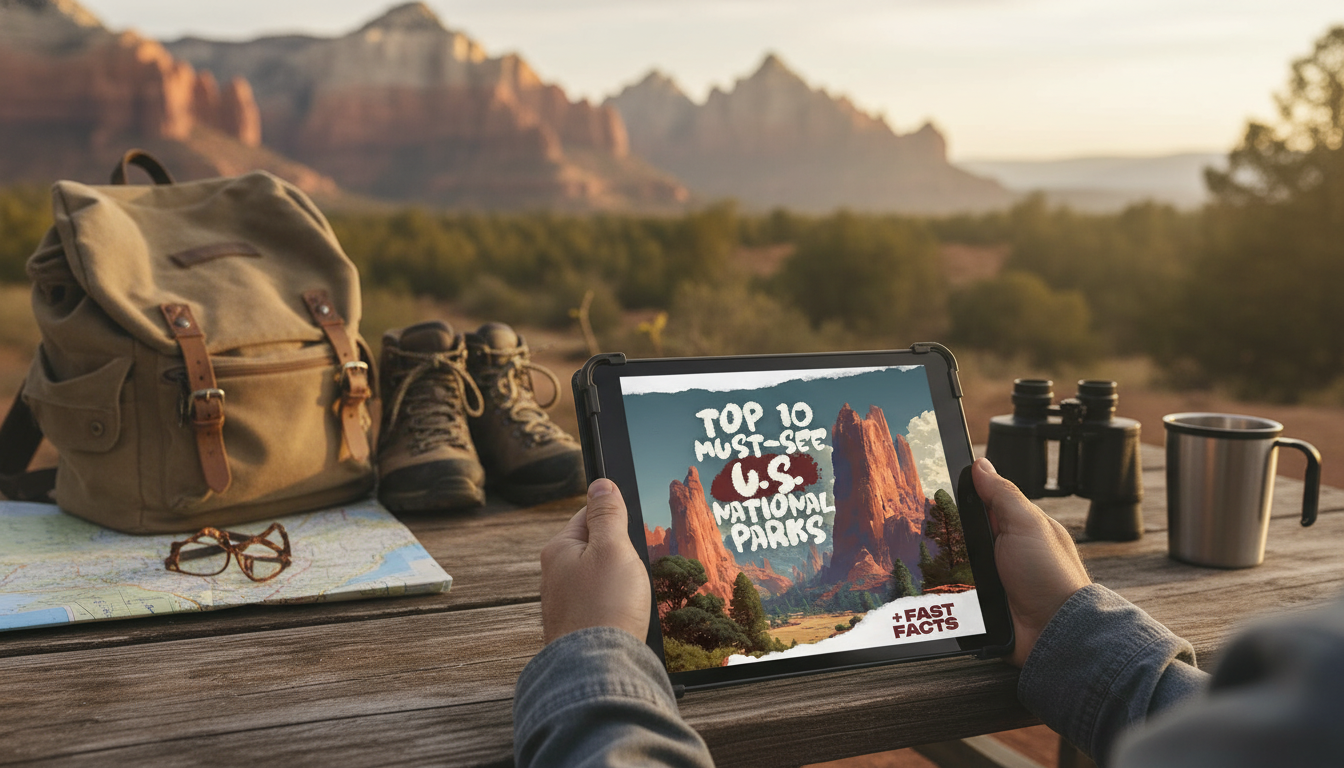
Top 10 Must-See U.S. National Parks: Fast Facts and Trip-Planning Highlights
America’s national parks cover everything from glacier-carved peaks to desert canyons and subtropical wetlands. A fast-facts approach makes it easier to compare parks, map a realistic route, and plan hikes around seasons, crowds, and logistics. The guide below organizes must-see parks with quick planning notes, plus a simple framework for building an itinerary that matches fitness level, travel time, and adventure goals.
What makes a national park “must-see” for nature lovers and hikers
- Landscape variety: Mountains, canyons, coastlines, forests, geothermal areas, and wetlands offer distinct experiences.
- Signature hikes and viewpoints: Iconic trails, scenic drives, and sunrise/sunset spots often define a park’s “wow” factor.
- Wildlife and seasonal highlights: Migrations, fall color, wildflower blooms, and dark skies can guide timing.
- Planning reality: Access, permits, shuttle systems, and weather windows impact how much can be seen in a short trip.
- Trip style fit: Day hikes vs. backpacking, road-trip loops vs. fly-in weekend visits, and family-friendly vs. rugged routes.
Fast facts snapshot: 10 parks to compare at a glance
| Park | Best for | Ideal season (typical) | Difficulty vibe | Planning note |
|---|---|---|---|---|
| Grand Canyon | Rim viewpoints, canyon hikes | Spring/Fall | Moderate to strenuous | Know rim-to-river risks; heat and elevation changes are serious. |
| Yosemite | Waterfalls, granite domes | Late spring/early summer | Easy to strenuous | Parking and entry can be busy; plan early starts and shuttle use. |
| Yellowstone | Geysers, wildlife | Summer/early fall | Easy to moderate | Road closures and animal jams affect drive times. |
| Zion | Narrows-style hiking, cliffs | Spring/Fall | Moderate to strenuous | Shuttle season changes access; check trail conditions for water hikes. |
| Bryce Canyon | Hoodoo amphitheaters | Late spring/Fall | Easy to moderate | High elevation means cooler temps; sunrise is a standout. |
| Rocky Mountain | Alpine lakes, tundra | Summer/early fall | Moderate | Timed entry and weather shifts are common at elevation. |
| Glacier | Big peaks, glacial valleys | Summer | Moderate to strenuous | Road access is seasonal; plan for limited lodging availability. |
| Olympic | Rainforest, coast, mountains | Summer/early fall | Easy to moderate | Expect multiple microclimates; pack for rain even in summer. |
| Acadia | Coastal hikes, carriage roads | Summer/Fall | Easy to moderate | Traffic can bottleneck; sunrise viewing may require planning. |
| Great Smoky Mountains | Wildlife, waterfalls, forest views | Spring/Fall | Easy to moderate | Popular trailheads fill early; fog and rain can shift visibility. |
The top 10 parks and what to prioritize on a first visit
- Grand Canyon: Pair a rim walk with one carefully chosen descent; prioritize viewpoints at dawn or late afternoon.
- Yosemite: Plan around waterfall timing; combine valley icons with a higher-elevation viewpoint if roads are open.
- Yellowstone: Build days by geothermal basins plus a wildlife-focused loop; buffer extra drive time for surprise stops.
- Zion: Balance one marquee hike with a quieter canyon walk; consider water levels and flash-flood awareness.
- Bryce Canyon: Start with a rim overlook, then descend into the amphitheater to feel the scale and shifting colors.
- Rocky Mountain: Aim for an alpine lake hike and a scenic drive segment, watching for afternoon storms.
- Glacier: Prioritize a classic valley-to-lake trail and time a portion of the main scenic road when open.
- Olympic: Treat it as three mini-trips—coast, rainforest, and mountains—rather than a single hub visit.
- Acadia: Mix coastal cliff paths with carriage roads; plan a sunrise/sunset viewpoint day to sidestep peak crowding.
- Great Smoky Mountains: Choose a waterfall hike plus a ridge or dome view; wildlife is most active at dawn/dusk.
Build a realistic itinerary: weekend, long weekend, or one-week road trip
For official trip-planning basics—hours, seasonal alerts, closures, and safety notices—start with the National Park Service “Plan Your Visit” hub.
Permits, reservations, and logistics that surprise first-time visitors
For campgrounds and many permit systems, Recreation.gov is the booking portal to know.
Packing and planning checklist for hikers and adventure planners
- Layering system: Expect big temperature swings between mornings, afternoons, and higher elevations.
- Hydration and sun protection: Carry more water than you think you’ll need, plus sun hoodie/hat and sunscreen—especially in canyon and desert parks.
- Navigation and comms: Download offline maps before arrival; cell service drops quickly away from main roads.
- Footwear and traction: Choose based on terrain (slickrock, gravel, wet river routes); trekking poles help with long descents.
- Leave No Trace basics: Stay on durable surfaces, pack out waste, and respect wildlife viewing distances. Review the Leave No Trace 7 Principles before you go.
Digital guide option for quick comparisons and planning
- Top 10 Must-See U.S. National Parks + Fast Facts | Digital Travel Guide eBook for Nature Lovers, Hikers & Adventure Planners
- Homework Help Made Easy Toolkit for Parents – Printable Guide for Creating Study Habits, Homework Strategies & Independent Learning (handy for families building quiet-time routines on travel days)
FAQ
Which U.S. national parks are best for a first-time visit?
Yosemite, Yellowstone, Grand Canyon, Zion, and Acadia are strong first-timers because they combine iconic scenery with clear viewpoints, established trails, and robust visitor services. Match the park to the season you can travel and the activities you’ll actually do (scenic drives, short hikes, or big elevation days).
When is the best time to visit the most popular national parks?
Shoulder seasons (spring and fall) often bring cooler hiking temperatures and fewer crowds, but road openings and shorter daylight can be tradeoffs. Summer is convenient for access in mountain parks, yet it’s also when timed entry, shuttle systems, and congestion peak—so checking current park alerts is essential.
Do national parks require reservations or permits?
Many visits involve multiple layers: an entrance fee or pass, possible timed-entry reservations, campground bookings, and (for certain trails or backcountry zones) activity permits. Rules change by park and season, so confirm requirements before you book lodging and lock in your trail plan.











Leave a comment