Solo Travel Safety Checklist: Plan, Stay Aware, Recover Fast
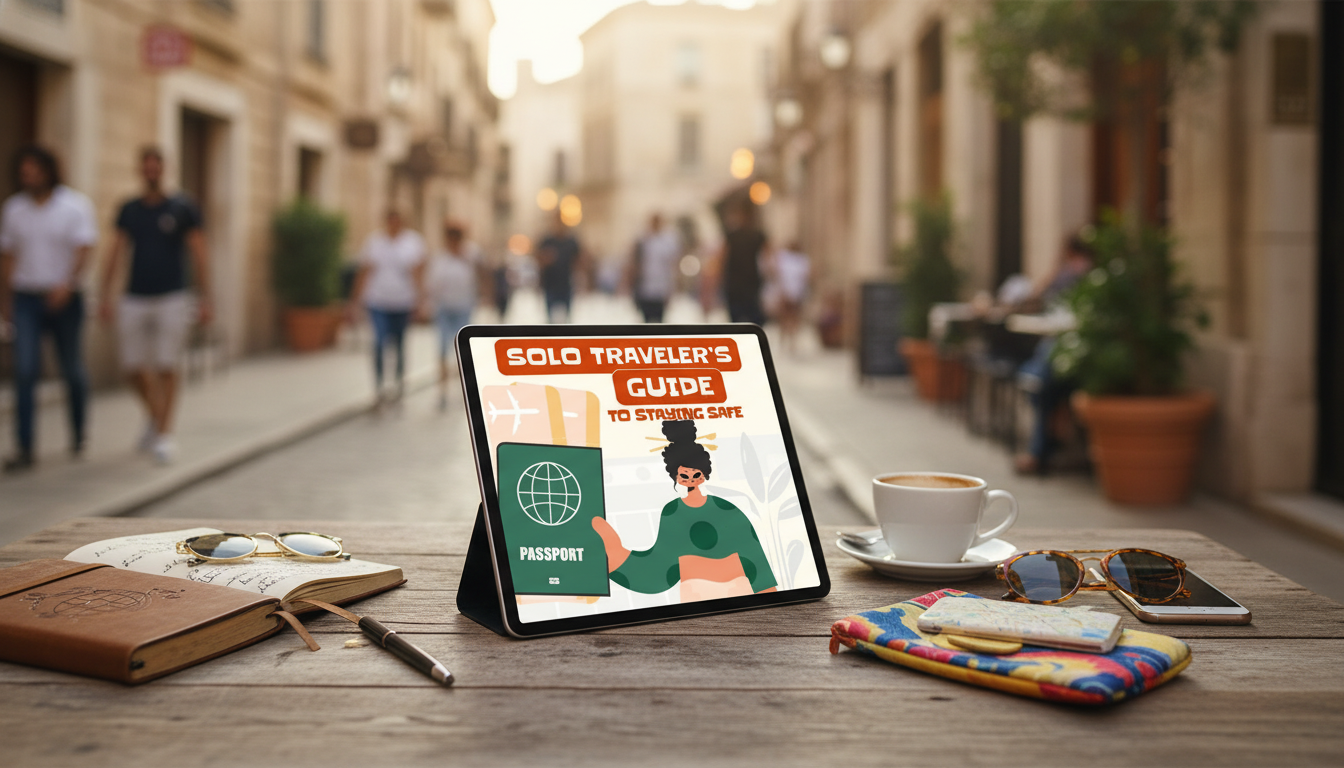
Solo Traveler’s Guide to Staying Safe: Practical Planning, Street Smarts, and a Ready-to-Use Checklist
Solo travel is one of the fastest ways to build confidence—because every win is yours. It also rewards a different style of preparation: fewer assumptions, cleaner logistics, and backups that still work when a phone dies, a train is delayed, or a neighborhood feels “off.” The goal isn’t to travel scared; it’s to travel ready, with simple systems that keep decisions consistent when you’re tired, rushed, or distracted.
Safety starts before booking: pick places and plans that reduce risk
Most avoidable problems begin as avoidable planning choices. Before committing, check current conditions like weather disruptions, active protests, localized crime trends, and common tourist scams. For U.S.-based guidance and destination alerts, review the U.S. Department of State’s international travel resources.
Build a route that supports daylight navigation when possible. Late-night arrivals aren’t automatically dangerous, but they increase pressure—more closed shops, fewer staff, fewer options. If you can’t avoid arriving late, pre-arrange transportation and confirm the pickup plan (location, driver name, vehicle details, and estimated cost).
When choosing lodging, prioritize well-connected areas over “cheap but far.” Being near transit, lighting, and staffed services often matters more than saving a few dollars. To reduce overwhelm, keep your first 24 hours intentionally simple: one reliable activity, one reliable meal plan, and extra time to learn the neighborhood on foot in daylight.
Finally, share your outline with a trusted contact: cities, lodging names, key dates, and a check-in cadence (for example, “short text each morning and a photo of tonight’s hotel key card sleeve”). If check-ins fail, it’s easier for someone to notice quickly and act appropriately.
Travel documents, money, and backups: make loss or theft survivable
Solo travel safety improves dramatically when there’s no single point of failure. Carry only what you need for the day and store the rest in a secure spot (locked bag, in-room safe when trustworthy, or a well-hidden compartment). Split valuables: one card and some cash on-body, a backup card stored separately, and a small emergency cash stash tucked away.
Create digital copies of your passport/ID, visas, insurance, prescriptions, and emergency contacts. Store them in an encrypted cloud folder and offline on your phone so you can access essentials without relying on Wi‑Fi. Also keep a small paper card with critical numbers: bank freeze line, lodging contact, and your embassy/consulate phone number. Paper feels old-school—until your phone is gone.
Use a simple payment routine: small daily cash refills, card transaction notifications enabled, and a clear “missing item” script—freeze cards first, then deal with reports and replacements.
Quick backup plan for common solo-travel setbacks
| Situation | Immediate steps | Backup to use |
|---|---|---|
| Phone lost or stolen | Lock device, change key passwords, contact carrier | Offline copies of documents; paper emergency card; spare SIM/eSIM plan |
| Wallet missing | Freeze cards, file local report if needed, contact bank | Second card stored separately; emergency cash; digital wallet (if safe to use) |
| Late-night arrival | Use pre-arranged transport, confirm driver details, share trip status | Hotel pickup; reputable ride app; taxi stand at airport/train station |
| Feeling followed/harassed | Enter staffed business, call for help, change direction | Public “reset point” list: hotel lobby, large café, transit hub, police station |
| Medical issue | Seek local urgent care/clinic, notify insurer if required | Travel insurance info; list of local hospitals; translated allergy/med list |
Digital safety: protect accounts, devices, and location info
Digital safety is personal safety when traveling solo. Enable two-factor authentication (especially for email and banking) and use a password manager instead of reusing passwords. Update devices before departure, turn on device-finding features, and set a strong passcode (skip simple 4-digit codes).
On public Wi‑Fi, use a VPN and avoid logging into sensitive accounts unless necessary. Also consider how you share your location: posting real-time details can broadcast patterns to strangers. Share highlights later, or send location updates privately to a small group.
For health and outbreak considerations that can affect route and risk, check CDC Travelers’ Health before you go, and keep key guidance accessible offline.
Street-level awareness that doesn’t ruin the fun
Getting around safely: airports, trains, rides, and walking routes
Lodging safety: simple habits that make a big difference
Turn advice into action with a printable checklist and planning flow
- Solo Traveler’s Guide to Staying Safe (Digital Download PDF) — a ready-to-use planning and checklist system you can keep on your phone or print.
- Homework Help Made Easy Toolkit for Parents (Printable Guide) — useful for travelers who like structured routines and printable planning tools for staying consistent on the road.
For broader international health guidance and preparation, the World Health Organization’s travel and health pages can help you sanity-check risk factors across destinations.
FAQ
What’s the most important safety step for solo travel?
Layered planning matters most: lock in reliable first-night logistics, share your itinerary with a check-in cadence, and harden your devices/accounts so a lost phone doesn’t become a crisis. Awareness helps, but backups are what keep problems manageable.
How can someone stay safe while still meeting people when traveling alone?
Meet in public places (ideally daytime or early evening), keep alcohol moderate, and maintain independent transportation so you can leave anytime. Share your plans with a trusted contact and avoid moving to private locations with someone you just met.
What should be done immediately if a phone is stolen abroad?
Lock the device and change key passwords (start with email), then contact your carrier and banks to prevent account takeover. Use your offline document backups and paper emergency card to restore access, and file a local report if it helps with insurance or replacement.









Leave a comment