Empowered Budgeting Toolkit: Plan, Track & Save in Excel

Build a Budget You’ll Actually Use
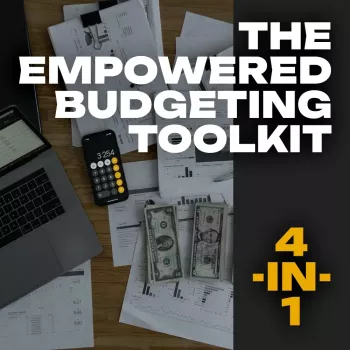
A clear system makes budgeting easier to start and easier to stick with. The Empowered Budgeting Toolkit (4-in-1 Bundle) brings planning, tracking, savings structure, and mindset support into one routine—so everyday spending decisions feel intentional instead of stressful.
If budgeting has ever felt like a restart button every month, this toolkit is designed to give you a repeatable flow: set up the month, track quickly, course-correct early, and review with confidence.
What’s Included in the 4-in-1 Bundle
This bundle is built to cover the entire budgeting loop—from setting a plan to following through consistently.
- Budget planner: organize monthly income, bills, variable expenses, and priorities in one place.
- Excel guide: track categories, review trends, and follow a simple monthly workflow without overcomplicating your spreadsheet.
- Monthly expense + savings planning approach: reduce overspending by setting targets up front and staying aware throughout the month.
- Wealth strategies: connect day-to-day budgeting with longer-term goals like an emergency fund, debt payoff, and investing readiness.
- Guided affirmations for wealth: reinforce habits, patience, and follow-through (especially when motivation dips mid-month).
Who This Toolkit Fits Best
- Beginners who want a step-by-step structure rather than a blank spreadsheet.
- Busy professionals who need a repeatable monthly routine (setup, weekly check-ins, month-end review).
- Anyone tired of “mystery spending,” ready to give every dollar a job.
- Goal-driven savers building an emergency fund, sinking funds, or a down payment.
- People who feel discouraged by budgeting and want a supportive, mindset-friendly approach.
A Simple Monthly Budgeting Flow (Start-to-Finish)
Budgeting gets easier when you follow the same rhythm each month. This flow keeps you focused on what matters without living inside your bank app.
- Start with a clean month: list expected income and non-negotiable bills (rent/mortgage, utilities, insurance, minimum debt payments).
- Choose variable categories: groceries, gas/transportation, dining out, subscriptions, personal care—keep it realistic.
- Set savings targets first: emergency fund, sinking funds, short-term goals; then assign what remains to variable categories.
- Do short check-ins: weekly category totals prevent end-of-month surprises.
- Close with a review: compare planned vs. actual, pick 1–2 adjustments, and carry lessons into next month.
For additional budgeting education beyond your personal plan, the Consumer Financial Protection Bureau (CFPB) and the FDIC Money Smart program offer helpful foundational guidance.
Budget Categories That Make Tracking Easier
The best categories are the ones you’ll maintain. Keep them specific enough to be useful, but not so detailed that tracking becomes exhausting.
- Split fixed vs. variable costs so your “adjustment levers” are obvious.
- Add sinking funds for irregular expenses (car repairs, gifts, annual fees) to avoid relying on credit.
- Use a buffer category for small surprises so a small change doesn’t feel like failure.
- Review subscriptions quarterly; recurring charges often hide in plain sight.
| Category Type | Examples | What to Track Monthly |
|---|---|---|
| Fixed | Rent/mortgage, insurance, minimum debt | Due dates, amounts, autopay status |
| Variable needs | Groceries, transportation, utilities | Weekly spend vs. plan, price changes |
| Variable wants | Dining out, entertainment, shopping | Triggers, frequency, per-outing limit |
| Savings & sinking funds | Emergency fund, gifts, car maintenance | Target amount, contribution schedule |
| Goals | Debt payoff extra, investing, down payment | Milestone progress, next action |
Using the Excel Guide for Faster Decisions
The point of tracking isn’t perfection—it’s visibility. A simple Excel workflow helps you see patterns quickly and make small corrections before the month gets away from you.
- Set up category totals so spending updates take minutes instead of hours.
- Track by category and date to reveal patterns (weekend spikes, subscription creep, seasonal expenses).
- Compare month over month to separate one-time costs from habits.
- Create an “alerts” habit: if a category hits 75–80% mid-month, pause and adjust early.
- Keep brief notes for unusual months (travel, medical, moving) so future planning is more accurate.
Savings and Wealth Strategies That Build Momentum
Long-term progress comes from small wins you can repeat. The toolkit’s wealth strategies connect daily choices to bigger goals—without requiring an all-or-nothing lifestyle shift.
- Start with a starter emergency fund: stability makes every other goal easier to sustain.
- Automate savings right after payday to reduce decision fatigue.
- Use sinking funds to smooth “lumpy” expenses and avoid last-minute budget blowups.
- Pair debt payoff with a realistic lifestyle plan to prevent rebound spending.
- Use quarterly wealth checkpoints (net worth, debt balances, savings rate) alongside monthly budget reviews.
For long-term wealth awareness related to investing and taxes, the IRS overview on capital gains and losses can be a useful reference when you’re preparing for investing readiness.
Guided Affirmations for Wealth (Practical Ways to Use Them)
Common Budgeting Pitfalls and Quick Fixes
Bundle Details and Where to Get It
If you want one system that supports planning (budget), execution (tracking), direction (wealth strategies), and mindset (affirmations), the bundle is available here: The Empowered Budgeting Toolkit | 4-in-1 Bundle.
For households budgeting around school routines and study supplies, this companion resource can help create structure at home: Homework Help Made Easy Toolkit for Parents – Printable Guide for Creating Study Habits, Homework Strategies & Independent Learning.
FAQ
Is this toolkit suitable for beginners who have never budgeted before?
Yes. It guides you from listing income and bills to choosing simple categories, doing quick weekly check-ins, and finishing with a month-end review so the process stays clear instead of complicated.
Do I need advanced Excel skills to use the Excel guide?
No. Basic spreadsheet skills—typing amounts, choosing categories, and reviewing totals—are typically enough, since the goal is faster tracking and easy comparisons.
How do affirmations fit into a budgeting routine without feeling distracting?
They work best as short prompts tied to actions like payday setup, logging expenses, or a weekly check-in, reinforcing consistency and reducing stress without adding extra steps.











Leave a comment