Ultra-Thin 1.96″ AMOLED Smartwatch: Fitness & Health
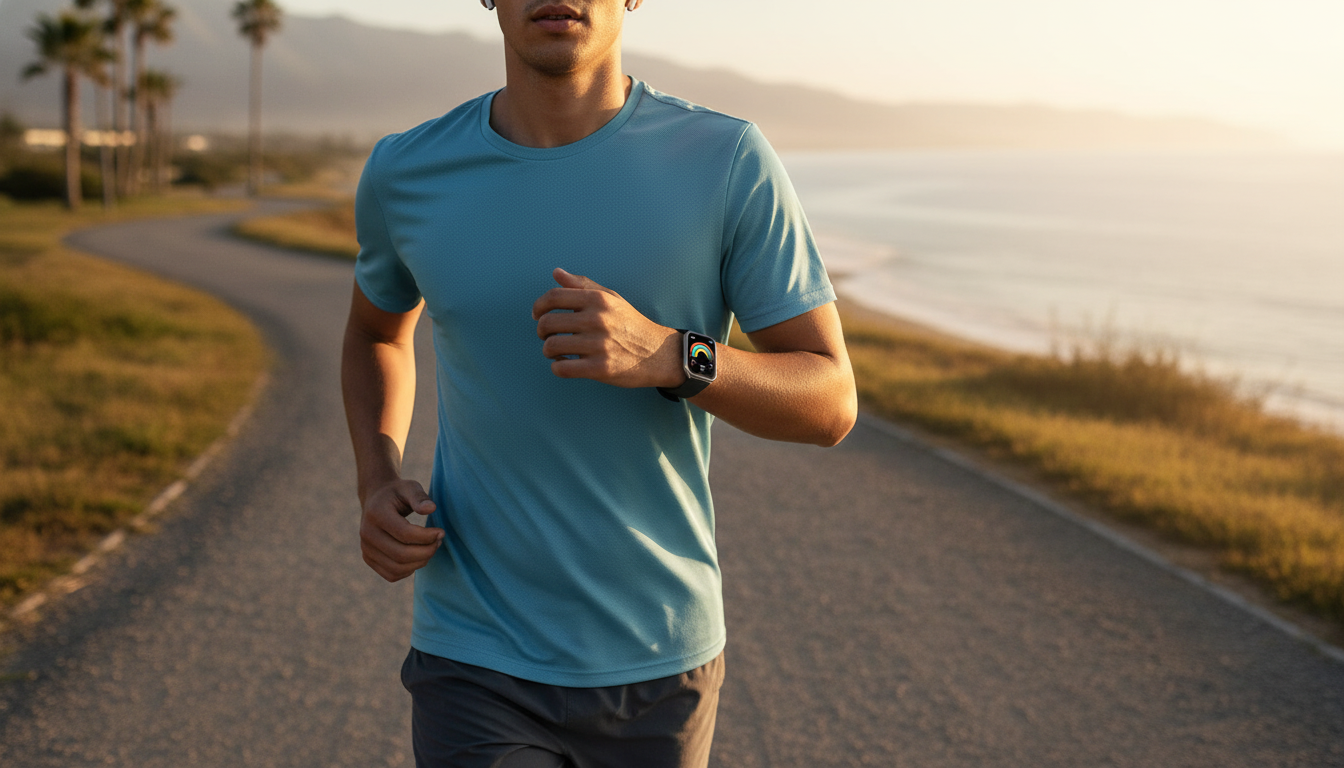
Ultra-Thin 1.96″ AMOLED Smartwatch with Fitness & Health Tracking
A slim smartwatch can feel nearly weightless on your wrist while still delivering a bright, high-contrast display and practical wellness tools. If a bulky case has ever made you skip wearing a watch overnight—or abandon it during workouts—an ultra-thin profile paired with a large 1.96″ AMOLED screen can be a surprisingly comfortable upgrade. Below is what this style of smartwatch is typically built for, how fitness and health tracking usually works, and what to check before buying. For more guidance, see TOZO AMOLED S7 Smartwatch Review – Disintegration—I’m Taking ….
Quick look: what an ultra-thin AMOLED smartwatch is built for
An ultra-thin smartwatch focuses on everyday wearability: it sits low on the wrist, slides under sleeves, and stays comfortable through long workdays, workouts, and sleep tracking. The “big screen + slim case” combination is designed to make stats easy to read without adding the chunky feel that can cause wrist fatigue. For further reading, see Best Smartwatches and Fitness of 2026, Tested by Our Experts.
- Low-profile fit: Comfortable for all-day wear, including sleep tracking and exercise sessions.
- AMOLED display advantages: Deep blacks, vivid colors, and strong contrast that make time and metrics easy to glance at quickly.
- Fitness tracking basics: Steps, activity time, estimated calories, workout modes, and trends over time.
- Health tracking basics: Common wellness signals like heart rate and sleep-related insights (accuracy varies by person and fit).
- Notification convenience: Quick awareness of calls, messages, and reminders while your phone stays in a pocket or bag.
At-a-glance checklist for a slim fitness smartwatch
| What to check | Why it matters | What to look for |
|---|---|---|
| Display size & type | Readability indoors/outdoors and battery behavior | AMOLED with a screen size that feels comfortable on your wrist |
| Comfort & thickness | All-day wear, sleep comfort, reduced wrist fatigue | Ultra-thin case profile and a strap that doesn’t pinch |
| Fitness tracking coverage | Better workout logging and motivation | Steps, calories, workout modes, basic trends |
| Health tracking features | Helpful wellness signals and routines | Continuous/spot heart rate, sleep tracking, stress or recovery-style metrics (where available) |
| Battery & charging | Less downtime and fewer missed nights | Battery life that matches your routine; convenient charging method |
| App compatibility | Syncing, history, and settings control | Reliable phone pairing and a clear dashboard in the companion app |
| Water/sweat resistance | Workout and daily durability | Protection suitable for sweat, rain, and handwashing (confirm rating/details) |
Why a 1.96″ AMOLED screen changes daily use
A larger 1.96″ screen is less about flash and more about friction-free reading. Bigger text and wider workout screens can make a difference when you’re moving—whether that’s a treadmill interval, a brisk walk, or a commute where you only have a second to glance down.
- More room for readable data: Helpful for larger fonts, clearer charts, and workout summaries.
- High contrast for quick checks: AMOLED contrast can make the time, heart rate, and activity progress easier to see without squinting.
- Sharper-looking faces and visuals: Colorful watch faces and simple graphs often look crisp, especially in dim rooms.
- Brightness and always-on considerations: If the watch offers these controls, they can improve glance viewing—but may affect battery life.
- Best when it stays slim: A big screen is most useful when the case doesn’t snag on sleeves or feel top-heavy.
Fitness tracking that supports real routines
Most people don’t need a complicated training computer to benefit from daily tracking. The most useful smartwatch features are often the simplest ones: consistent movement totals, easy workout start/stop controls, and trends that show whether you’re building momentum over weeks—not just “winning” one day.
For a science-backed reminder of why daily movement matters, the CDC’s overview of physical activity benefits is a helpful reference for building sustainable routines.
Health tracking: what the numbers mean (and what they don’t)
To understand how heart-rate zones are commonly framed for exercise, see the American Heart Association’s target heart rates. For context on “general wellness” devices, the FDA’s general wellness policy explains how low-risk wellness features are approached.
Comfort, durability, and everyday practicality
Who this style of smartwatch suits best
Ultra-Thin 1.96″ AMOLED Smartwatch with Fitness & Health Tracking: product snapshot
Product details
| Item | Details |
|---|---|
| Product | Ultra-Thin 1.96″ AMOLED Smartwatch with Fitness & Health Tracking |
| Price | 38.51 USD |
| Availability | In stock |
| Product page | View details |
More in-stock picks (everyday add-ons)
- Homework Help Made Easy Toolkit for Parents – Printable Guide for Creating Study Habits, Homework Strategies & Independent Learning
- Afro Styling Comb for Natural Curly Hair & Real Hair Wigs
- Straight Hair V-Comb Styling Brush for Smooth, Sleek Results
FAQ
Is fitness and health tracking on a smartwatch accurate enough for everyday use?
For everyday use, smartwatches are generally most helpful for spotting trends and guiding routines rather than delivering perfect measurements. Accuracy can vary by activity type, sensor contact, motion, and how consistently you wear the watch, so a secure fit and regular use matter.
How should the watch fit for reliable heart rate and sleep tracking?
Wear it snug (not tight) and positioned slightly above the wrist bone so the sensors keep steady contact. For workouts you may need it a bit tighter than for sleep, and keeping the sensor area clean and dry helps reduce dropouts.
Does an AMOLED screen drain the battery faster?
Battery impact depends more on brightness, always-on settings, and how often the screen wakes than on AMOLED alone. AMOLED can be efficient with darker watch faces, and lowering brightness or disabling always-on features can extend runtime.








Leave a comment