360° Silicone Finger Toothbrush: Gentle Pet Dental Care
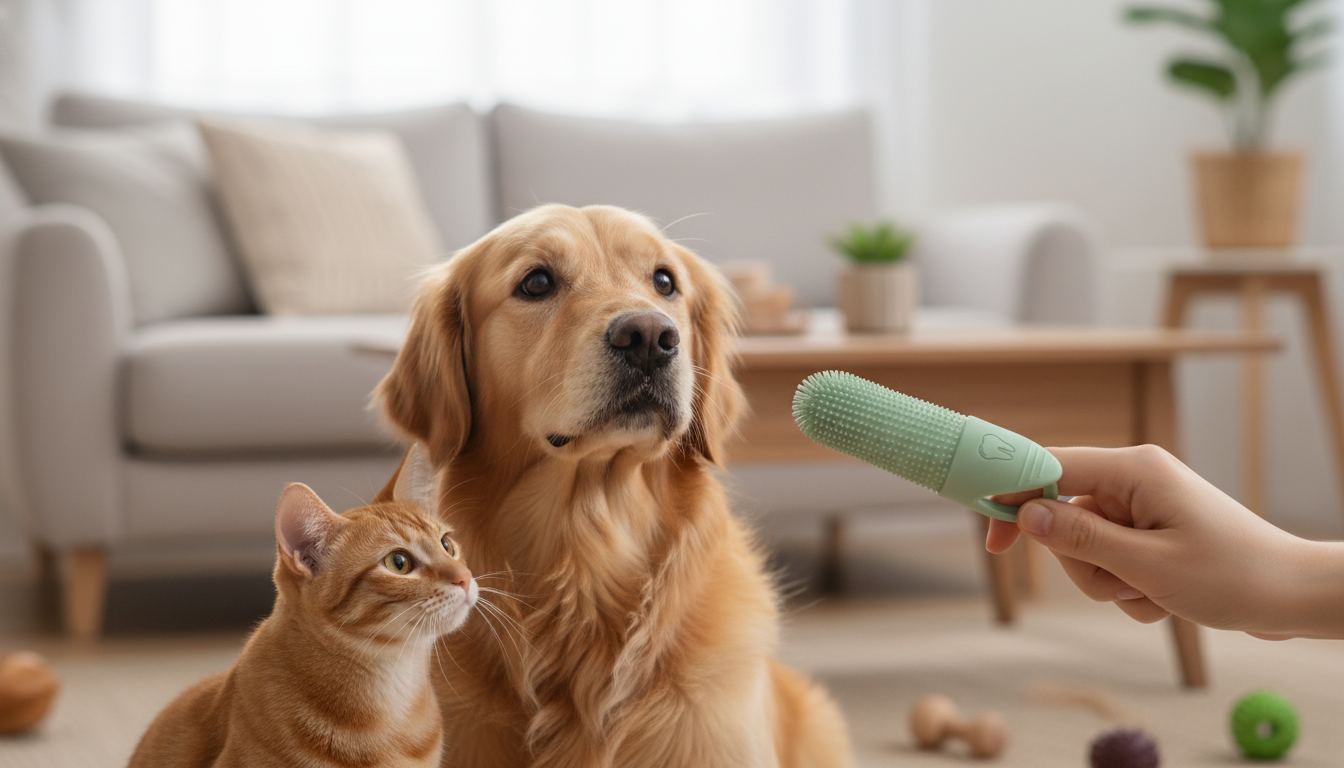
360° Silicone Finger Toothbrush for Dogs & Cats: Gentle Daily Dental Care
Daily brushing is one of the simplest ways to help reduce plaque buildup and bad breath in pets. A soft silicone finger toothbrush offers close control, a gentle feel on gums, and an easy way to start a routine—especially for puppies, kittens, and brush-shy adults.
Why pet dental care matters every day
Dental buildup doesn’t just affect how your pet’s breath smells—it can influence overall comfort and long-term oral health. Plaque forms naturally after meals, and if it isn’t disrupted, it can harden into tartar. Over time, that buildup may contribute to gum irritation, persistent odor, and more serious oral issues that require veterinary treatment.
- Plaque can harden into tartar, contributing to gum irritation, bad breath, and more serious oral issues.
- Small breeds and older pets are often more prone to dental buildup and may benefit from consistent brushing habits.
- Brushing supports fresher breath and cleaner teeth, and it can help spot issues early (redness, bleeding, broken teeth).
For general guidance on pet dental wellness and why brushing matters, see the American Veterinary Medical Association (AVMA) pet dental care resource.
What a 360° silicone finger toothbrush is
A finger toothbrush slides over your fingertip, so you can feel exactly where you’re brushing and adjust pressure instantly. Many pets tolerate this better than a long-handled brush because the shape feels less intrusive and the motion can be softer and more controlled.
- A finger toothbrush slips over the fingertip so brushing pressure and angle can be controlled more precisely.
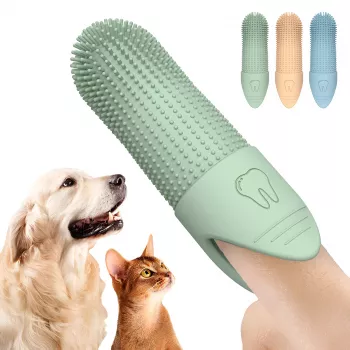
- A 360° design places bristles around the finger to contact multiple tooth surfaces with each pass.
- Soft silicone bristles are designed to be gentle on gums while still helping lift plaque.
- Useful for both dogs and cats, especially for pets that resist long-handled brushes.
Finger toothbrush vs. handled toothbrush
| Feature | Silicone finger toothbrush | Handled pet toothbrush |
|---|---|---|
| Control and precision | High—direct finger control | Medium—depends on pet tolerance |
| Comfort for brush-shy pets | Often easier to accept | May feel bulky at first |
| Reach to back molars | Good with practice | Often easier for deep reach |
| Best for beginners | Excellent starting option | Better after routine is established |
Who it’s best for
Not every pet takes to brushing right away, so picking a gentler tool can make the routine easier to maintain. A silicone finger brush is especially helpful when comfort and gradual training are the priority.
- Puppies and kittens learning toothbrushing for the first time.
- Small dogs and cats with smaller mouths where a large brush head feels uncomfortable.
- Pets with mild gum sensitivity who need a softer brushing surface.
- Owners who want a quick, low-fuss daily routine and better tactile feedback.
How to use a silicone finger toothbrush (step-by-step)
The goal is progress, not perfection. Even brief, consistent sessions can help build tolerance, especially when you stop while your pet is still calm and reward the cooperation.
- Start with a calm moment: choose a quiet time, offer praise, and keep sessions short.
- Introduce the brush: let the pet sniff and lick pet-safe toothpaste (never human toothpaste).
- Fit and wet: place the finger brush securely on a clean finger and wet it slightly.
- Brush the front teeth first: use small circular motions along the gumline for 10–20 seconds per side.
- Move to premolars and molars: lift the lip gently and work toward the back as tolerance improves.
- Focus on the outer surfaces: many pets accumulate more plaque on the cheek-side surfaces.
- End on a positive note: stop before the pet becomes overwhelmed; reward with a treat or play.
Simple weekly progression
| Days | Goal | Time |
|---|---|---|
| 1–2 | Taste toothpaste + touch lips/teeth briefly | 30–60 seconds |
| 3–4 | Brush front teeth and canines | 1–2 minutes |
| 5–7 | Add back teeth gradually | 2–3 minutes |
Safety and hygiene tips
- Use only pet-formulated toothpaste; many human toothpastes contain ingredients that can be harmful if swallowed.
- Rinse the finger toothbrush thoroughly after each use; allow it to dry completely between sessions.
- Inspect silicone bristles regularly; replace if torn, sticky, or excessively worn.
- Avoid forcing the mouth open; aim for gentle lip lifting and short sessions to prevent stress.
- If gums bleed persistently, teeth are loose, or there’s strong odor despite brushing, schedule a veterinary dental check.
For deeper background on professional dental care and home routines, the American Animal Hospital Association (AAHA) dental resources are a helpful reference.
How often to brush and what results to expect
If you use dental chews or other oral-care add-ons, look for products evaluated by the Veterinary Oral Health Council (VOHC) when appropriate for your pet.
Product spotlight: gentle tools to support a consistent routine
360° Silicone Dog Finger Toothbrush for Dogs & Cats Dental Care
Homework Help Made Easy Toolkit for Parents – Printable Guide for Creating Study Habits, Homework Strategies & Independent Learning
Quick product checklist
| Detail | What to look for |
|---|---|
| Material | Soft, flexible silicone |
| Design | Bristles around the finger for multi-angle contact |
| Use cases | Dogs and cats; beginners; gentle brushing |
| Routine fit | Short daily sessions or a few times weekly |
FAQ
Can a silicone finger toothbrush be used for cats as well as dogs?
Yes. Many cats tolerate the softer silicone feel and the close control of finger brushing; start slowly with toothpaste licking and brief brushing on the outer tooth surfaces.
How do you clean and store a silicone finger toothbrush?
Rinse it thoroughly after each use, wash with mild soap as needed, and let it air-dry completely. Store it in a clean, dry place so moisture doesn’t linger.
What if my pet refuses brushing?
Use gradual desensitization: keep sessions short, reward generously, and brush only the front teeth at first. If you suspect pain (sudden resistance, yelping, pawing at the mouth), schedule a veterinary exam.










Leave a comment