Adulting Essentials: Money, Communication & Life Systems
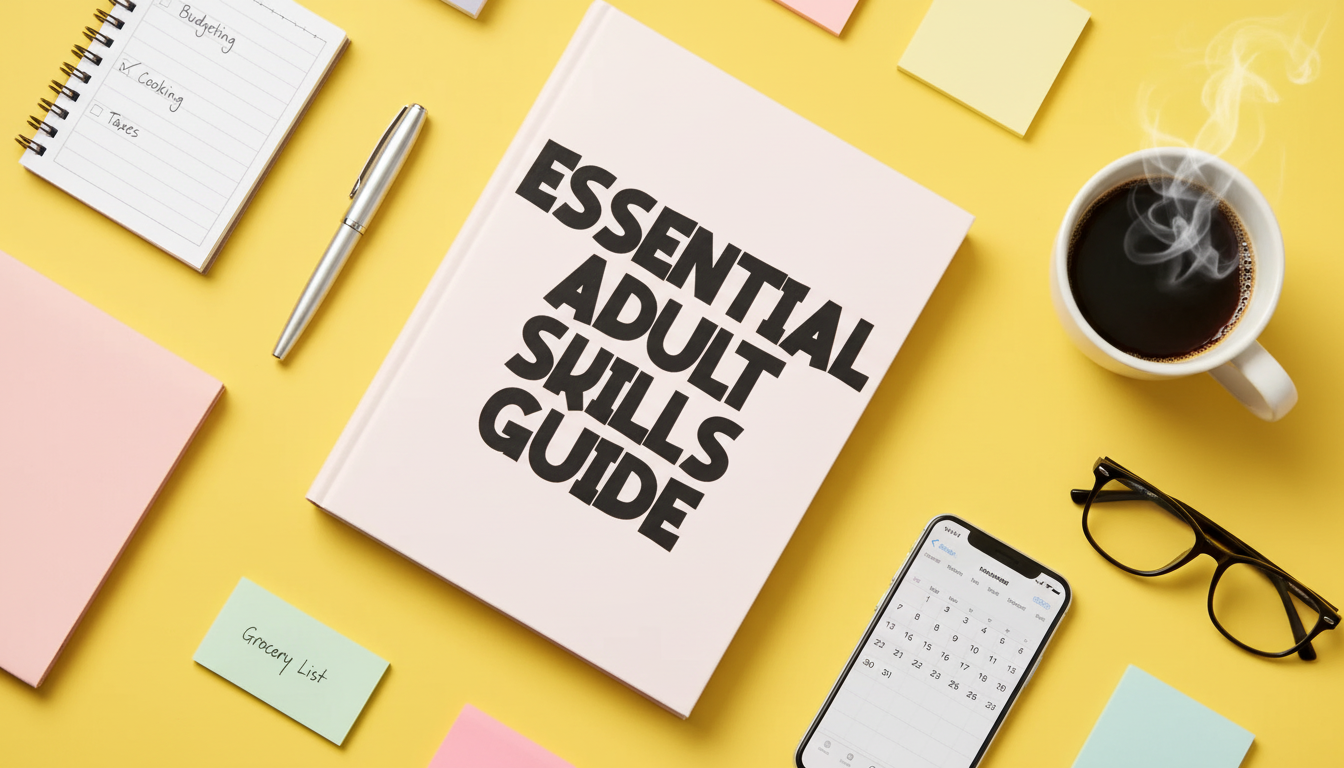
Essential Adult Skills That Make Everyday Life Feel Lighter
Adulting gets easier when a few core skills are handled consistently: money basics, clear communication, smart media habits, and simple systems for managing time, tasks, and health. The goal isn’t perfection—it’s creating small routines that keep problems from piling up. Below are practical resets, scripts, and checklists that work whether building stability from scratch or tightening up day-to-day habits.
Start with a Simple “Stability First” Routine
When life feels chaotic, prioritize what prevents the biggest consequences. Start by protecting three non-negotiables each month: housing, food, and essential transportation (gas, transit pass, rideshare for work, or basic car maintenance).
- Schedule a weekly 20-minute reset: check upcoming bills, glance at your calendar, and pick the top priorities for the next 7 days.
- Create one capture system: a notes app, a pocket notebook, or a task manager—anything that keeps “open loops” out of your head.
- Define a minimum baseline: the smallest version of budgeting, cleaning, meal planning, and movement you can do on hard weeks (example: 10-minute tidy, one simple grocery run, and a short walk).
Budgeting That Works When Motivation Doesn’t
Budgets fail when they rely on constant willpower. The more your plan runs on automation and simple structure, the more likely it sticks.
- Track cash flow first: know what comes in, what must go out, and what’s left before worrying about perfect categories.
- Try a two-account setup: one account for bills, one for everyday spending. This adds friction to overspending and clarity to what’s safe to use.
- Automate what matters: bill pay, savings transfers, and credit card minimums help prevent late fees and credit dings.
- Build a starter emergency fund: even $250–$1,000 can stop small surprises from turning into debt.
- Plan for irregular expenses: create a “sinking fund” line for car repairs, gifts, annual subscriptions, and medical copays.
- Pick a debt payoff method: avalanche (highest interest first) or snowball (smallest balance first). Choose one fixed monthly amount to pay beyond minimums.
Monthly Budget Starter Template (Adjust to Income and Needs)
| Category | Target range | Examples |
|---|---|---|
| Needs | 50–70% | Rent/mortgage, utilities, groceries, insurance, minimum debt payments |
| Financial goals | 10–20% | Emergency fund, extra debt payoff, retirement, sinking funds |
| Wants | 10–30% | Dining out, hobbies, streaming, travel, upgrades |
For a solid budgeting foundation and consumer-friendly tools, the Consumer Financial Protection Bureau (CFPB) budgeting resources are a reliable place to learn the basics and build a plan that fits your real life.
Everyday Money Skills: Bills, Banking, and Credit
Small financial admin habits reduce stress fast—especially the ones that prevent overdrafts and missed payments.
- Make a bill calendar: list each bill, due date, amount range, autopay status, and which account it pulls from.
- Keep a buffer if possible: aim for at least one week of expenses in checking to reduce overdraft risk and decision fatigue.
- Protect credit health: pay on time, keep utilization low when you can, and review credit reports a few times per year for errors.
- Do a subscription audit quarterly: cancel or downgrade; set a yearly reminder to renegotiate internet or insurance rates.
- Use a big purchase rule: wait 24–72 hours, compare three options, and confirm it fits your monthly plan without borrowing from essentials.
Communication Skills That Prevent Problems
Clear communication doesn’t just improve relationships—it reduces expensive mistakes (missed deadlines, incorrect orders, scheduling confusion, unspoken expectations). A simple structure keeps messages short and actionable.
Clarity-First Message Format
Context → Request → Deadline → Next step. Example: “My schedule changed next week. Can you confirm whether the meeting can move to Thursday? If not, I can send the update by Wednesday at 3 PM. Let me know which option you prefer.”
Boundary Script
“I can’t do X, but I can do Y by Z.” This keeps boundaries firm while offering a realistic alternative.
Conflict De-escalation in One Minute
- Name the shared goal: “I want this to be fair and work for both of us.”
- Reflect what you heard: “So you’re saying the timing felt last-minute.”
- Ask one question before solving: “What would feel reasonable from your side?”
At work, confirm agreements in writing after verbal conversations—especially schedules, deliverables, and pay details. A simple follow-up email can prevent weeks of confusion.
Media Literacy for Modern Life
Media literacy is a daily-life skill now: it helps avoid scams, misinformation, and “outrage bait” that drains attention.
For scam awareness, the FTC guide to recognizing and avoiding phishing breaks down common tactics and practical red flags.
Life Management Systems: Time, Home, and Health
Stress builds when tasks feel endless; the APA’s stress management guidance is helpful for grounding techniques and practical coping strategies.
A 30-Day Plan to Build Momentum
Tools and Guides That Make the Basics Easier to Follow
- Essential Adult Skills Guide | Budgeting, Communication, Media Literacy & Life Management Tips for Everyday Success (digital-friendly reference for weekly resets, scripts, and checklists)
- Homework Help Made Easy Toolkit for Parents – Printable Guide for Creating Study Habits, Homework Strategies & Independent Learning (useful for building routines, planning systems, and communication habits at home)
FAQ
What are the most important adult skills to learn first?
Prioritize stability skills first: budgeting and bill management, clear communication and boundaries, basic health/home routines, and media literacy for safer decisions. These reduce emergencies and prevent small issues from turning into expensive problems.
How much should go into an emergency fund?
Start with a small buffer (often $250–$1,000) to prevent minor setbacks from becoming debt. After that, build toward 3–6 months of essential expenses as income allows.
How can media literacy help with everyday decisions?
It reduces scams and misinformation, improves judgment on health and finance topics, and protects attention by making manipulative content easier to spot. Better inputs lead to better choices and fewer costly mistakes.










Leave a comment