Toddler Nightmares: What to Do at 2 A.M. (Calm Plan)
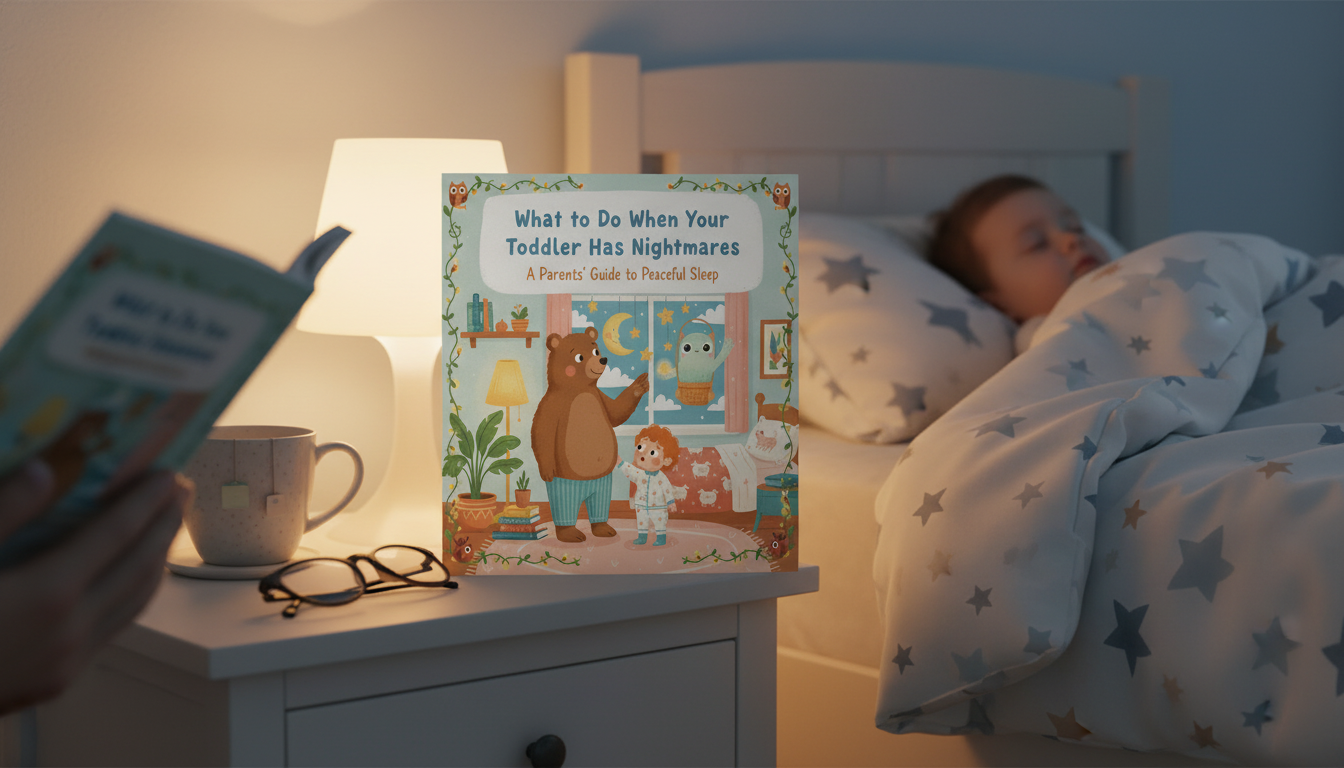
What to Do When Your Toddler Has Nightmares: Calm, Comfort, and Better Bedtime Nights
Toddler nightmares can feel like they come out of nowhere—sudden crying, fear, and a child who won’t settle. A steady, predictable response helps toddlers feel safe in the moment and reduces repeat wake-ups over time. Use the steps below to handle the wake-up calmly, shape a reassuring bedtime routine, and spot when extra support is needed.
Nightmares vs. night terrors: why it matters
Nightmares and night terrors can look similar at first (crying, panic, disrupted sleep), but they tend to show up at different times of night and respond best to different parent strategies. Nightmares usually happen in the second half of the night; toddlers wake fully, feel scared, and want comfort. Night terrors often happen earlier, and a child may scream, look awake, and be hard to console—then remember little or nothing in the morning.
If your toddler is responsive, wants closeness, and can describe “scary” feelings or images, it’s more likely a nightmare. That’s good news: nightmares usually improve with reassurance, consistent routines, and enough sleep.
Quick comparison: nightmare or night terror?
| Feature | Nightmares | Night terrors |
|---|---|---|
| When they happen | Often later in the night | Often in the first few hours of sleep |
| Child awareness | Wakes fully and seeks comfort | May appear awake but is confused and difficult to wake |
| Memory in the morning | May remember scary dream feelings | Usually no memory |
| Best parent response | Comfort, reassure, brief reset to sleep | Keep safe, keep calm, avoid fully waking if possible |
| Typical duration | Minutes to longer if repeatedly reassured | Often 5–15 minutes |
What to do in the moment: a calm, repeatable script
A nightmare wake-up is not the time for a new plan each night. The goal is to be steady, brief, and boring—comfort first, then a gentle return to sleep.
A simple step-by-step response
- Pause for one deep breath before you enter. A regulated adult helps a child regulate faster.
- Go to your toddler quickly, use a soft voice, and offer physical reassurance (hand on back, hug) if your child wants it.
- Use short, concrete phrases: “You’re safe. I’m here. That was a scary dream. It’s over now.”
- Avoid detailed questioning right away. Too many questions can re-activate fear and delay sleep.
- Offer a brief reset: a sip of water, a quick bathroom trip, or a short cuddle, then return to bed.
- Keep lights low and stimulation minimal. Bright lights, screens, or long conversations shift the brain into “awake mode.”
- If your toddler insists, do a quick “safety sweep” together (30–60 seconds): closet, under bed, doorway—then return to bed.
- Repeat the same sequence each time so your toddler learns what happens after a nightmare: comfort → calm → back to bed.
What to say (and what to avoid saying)
Language matters most when it validates the feeling while anchoring the body in safety. Toddlers don’t need a perfect speech; they need the same reassuring message every time.
Helpful phrases
- “That felt real, but it was a dream. Your body is safe in your bed.”
- “You got scared. It makes sense to want a hug.”
- “Do you want a hug in your bed, or for me to sit by the door for two minutes?” (choice within boundaries)
What to avoid
- “There’s nothing to be scared of.” It can feel dismissive; replace it with “I’m here, and you’re safe.”
- Adding scary imagery (monsters, burglars, threats) even as a joke—your toddler’s brain may latch onto it.
- Bribing or negotiating for sleep. Predictable and boring makes sleep the easiest next step.
Bedtime foundations that lower nightmare frequency
Nightmares often spike when toddlers are overtired, overstimulated, or going through developmental changes. Solid basics won’t prevent every bad dream, but they can reduce how often your toddler wakes and how hard it is to resettle.
For additional background on typical sleep fears and parasomnias, see guidance from American Academy of Pediatrics — HealthyChildren.org and the Sleep Foundation. If night terrors seem more likely, the NHS overview of night terrors in children is a helpful reference.
Daytime support: build emotional safety when the sun is up
Common bedtime snags and simple fixes
Repeated calls for parents
Toddler wants to sleep in the parents’ bed
Fear of the dark
Nightmares after illness or travel
When to check in with a pediatrician
A practical guide to keep by the bed
- What to Do When Your Toddler Has Nightmares | Ebook Guide for Parents | Practical Comforting Tips & Bedtime Solutions
- Homework Help Made Easy Toolkit for Parents – Printable Guide for Creating Study Habits, Homework Strategies & Independent Learning
Resource spotlight
| Format | Designed for | What it helps with | Where to find it |
|---|---|---|---|
| Ebook | Parents of toddlers | Comforting steps, bedtime routines, practical solutions | View the ebook |
FAQ
How long do toddler nightmares usually last?
Many toddler nightmares last a few minutes, and most children settle faster with calm reassurance and a predictable return-to-bed routine. Nightmare phases often come and go with development or stress, so consistency for a few weeks usually helps.
Should a toddler be fully awakened after a nightmare?
With nightmares, toddlers are typically already awake and seeking comfort, so keep lights low and avoid overstimulation. With night terrors, trying to fully wake a child can prolong the episode, so focus on safety and staying calm.
What if nightmares happen every night?
Review sleep timing (overtiredness is a common trigger), reduce evening stimulation and scary media, and stick to the same response plan each wake-up. If it persists for weeks or comes with snoring, breathing pauses, or daytime impairment, check in with a pediatrician.











Leave a comment